Adult, Child, and Infant CPR: Key Differences Every Responder Should Know
Adult, Child, and Infant CPR: Why the Differences Matter
Cardiac emergencies can happen anywhere: at home, at work, at school, at a gym, on a jobsite, or in a public space. CPR, or cardiopulmonary resuscitation, is a critical emergency response skill used when someone is unresponsive and not breathing normally.
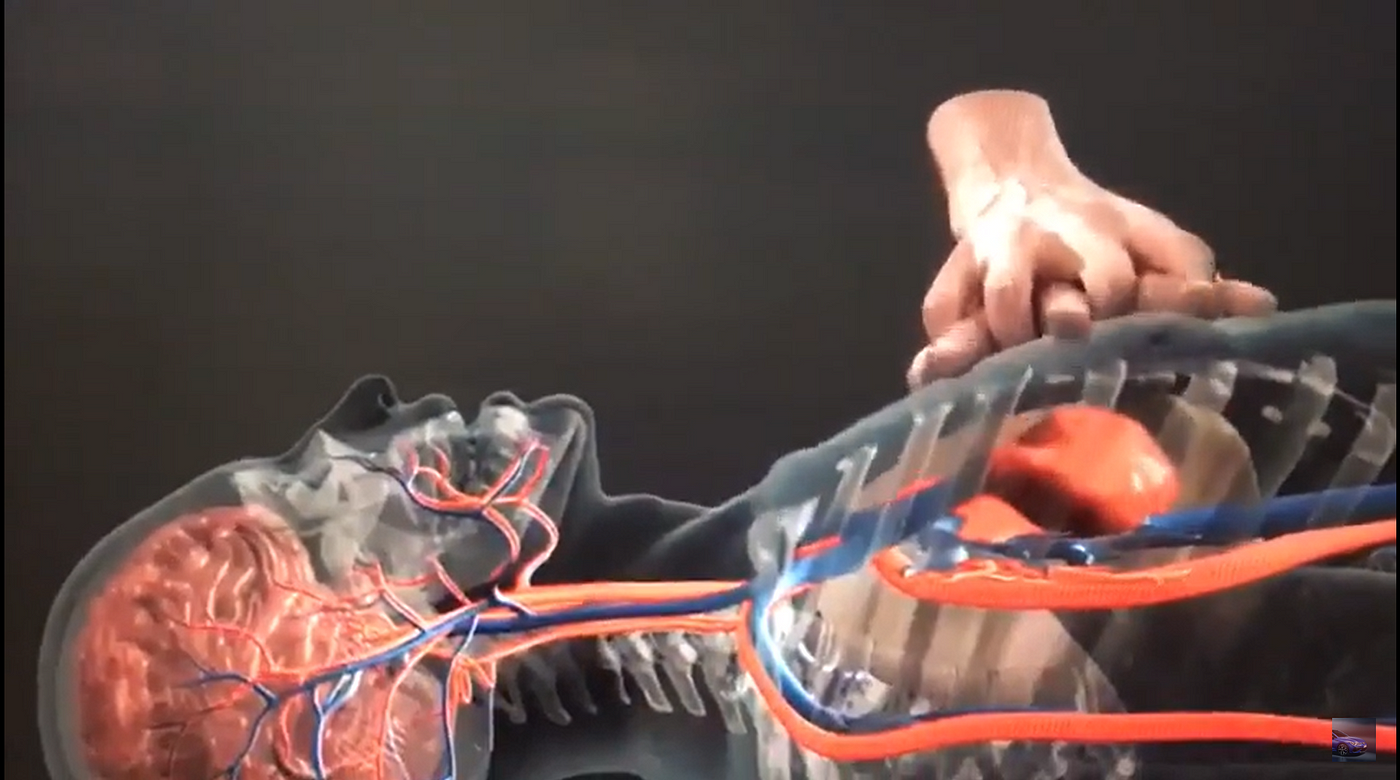
The basic goal of CPR is the same for adults, children, and infants: help circulate oxygen-rich blood until emergency medical services arrive. However, the way CPR is performed changes based on the person’s age, size, likely cause of the emergency, and physical development.
For adults, cardiac arrest is more often linked to a sudden heart problem. For children and infants, cardiac arrest is more commonly related to breathing emergencies, choking, drowning, respiratory illness, trauma, or other conditions that reduce oxygen. Because of that, child CPR and infant CPR place strong emphasis on effective breaths along with high-quality chest compressions.
This guide explains the key differences between adult, child, and infant CPR, how AED use changes by age group, and why hands-on AHA CPR training is especially important for parents, caregivers, teachers, healthcare workers, fitness professionals, employers, and workplace safety teams throughout Colorado.
Emergency disclaimer: This article is for general education only and is not a substitute for hands-on CPR training, medical advice, or emergency medical care. In an emergency, call 911 or activate your local emergency response system immediately, follow dispatcher instructions, and use an AED if one is available.
Quick Answer: What Is the Difference Between Adult, Child, and Infant CPR?
The main differences between adult, child, and infant CPR are compression depth, hand placement, rescue breath technique, and AED pad use.
Adult CPR generally uses two hands in the center of the chest. Child CPR may use one or two hands depending on the child’s size. Infant CPR uses two fingers or the two-thumb encircling hands technique, depending on the rescuer and training level. Compression depth also changes: adults need deeper compressions than children, and infants require shallower but still effective compressions.
For all age groups, CPR should be performed with firm, fast chest compressions, complete chest recoil, minimal interruptions, and rescue breaths when trained and appropriate.
When Should You Start CPR?
Start CPR when a person is unresponsive and not breathing normally. Gasping, snoring-like sounds, or irregular agonal breaths should not be treated as normal breathing.
A practical emergency response sequence is:
- Make sure the scene is safe.
- Check for responsiveness.
- Call 911 or direct someone else to call.
- Send someone to get an AED if available.
- Check breathing.
- Begin CPR if the person is not breathing normally.
- Use the AED as soon as it arrives and follow the prompts.
For trained healthcare providers and professional responders, pulse checks and rescue breathing decisions may follow the specific protocol taught in their AHA course. For lay rescuers, the priority is to recognize the emergency, call 911, start CPR, and use an AED quickly.
Adult vs. Child vs. Infant CPR Comparison
| CPR Factor | Adult CPR | Child CPR | Infant CPR |
|---|---|---|---|
| Age Group | Puberty and older | Age 1 to puberty | Younger than 1 year |
| Common Cause | Often sudden cardiac event | Often respiratory-related | Often respiratory-related |
| Hand Placement | Two hands on center of chest | One or two hands on center of chest | Two fingers or two thumbs on center of chest |
| Compression Depth | About 2 inches | About 2 inches or 1/3 chest depth | About 1.5 inches or 1/3 chest depth |
| Compression Rate | 100–120 per minute | 100–120 per minute | 100–120 per minute |
| Rescue Breaths | Important when trained; hands-only may apply for sudden adult collapse | Important when trained | Especially important when trained |
| AED Pads | Adult pads | Pediatric pads preferred | Pediatric pads preferred |
| Key Reminder | Push hard and fast | Use enough force for effective compressions | Use controlled compressions and gentle breaths |
Adult CPR: What Makes It Different?
Adult CPR is generally used for people who have reached puberty and older. In adults, sudden cardiac arrest is often related to an electrical or cardiac problem, which makes early CPR and early defibrillation especially important.
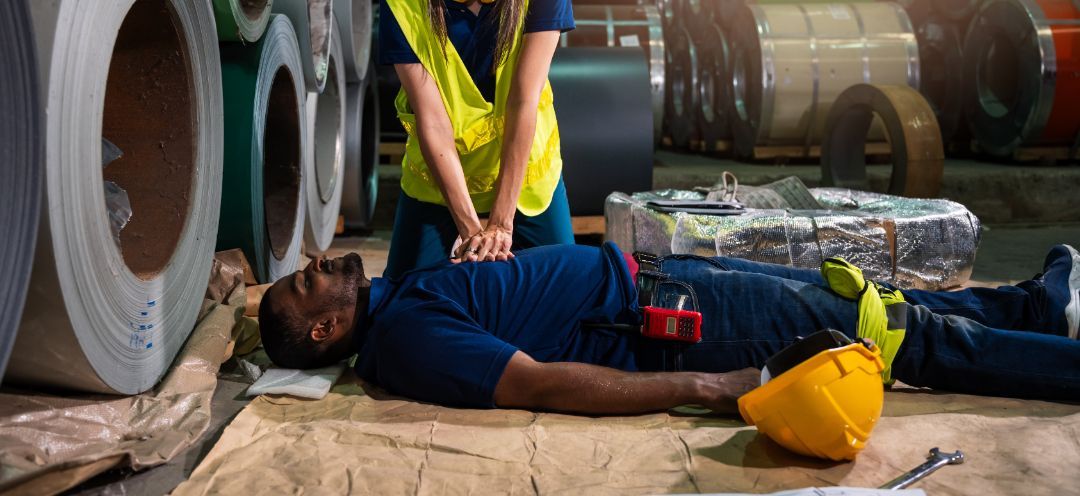
For adult CPR, place the heel of one hand in the center of the chest on the lower half of the breastbone. Place the other hand on top and interlock your fingers. Keep your arms straight, position your shoulders over your hands, and press hard and fast.
- Compression depth of about 2 inches
- Compression rate of 100 to 120 compressions per minute
- Full chest recoil after each compression
- Minimal interruptions
- AED use as soon as available
- Rescue breaths if trained and willing
Child CPR: What Makes It Different?
Child CPR is generally used for children from about age 1 to puberty. Children are smaller than adults, and their cardiac emergencies are more likely to be connected to breathing problems. That means rescue breaths can be especially important when the rescuer is trained to provide them.
For child CPR, place one hand or two hands in the center of the chest, depending on the child’s size. The goal is to compress the chest effectively without using more force than needed.
- Compression depth of about 2 inches, or about one-third the depth of the chest
- Compression rate of 100 to 120 compressions per minute
- One-hand or two-hand technique, depending on the child's size
- Rescue breaths when trained
- AED use with pediatric pads when available
- Adult AED pads if pediatric pads are not available, as long as the pads do not touch
The biggest mistake many rescuers make with child CPR is being too gentle. Compressions still need to be deep enough to circulate blood effectively. High-quality CPR matters for children just as much as it does for adults.
Infant CPR: What Makes It Different?
Infant CPR is generally used for babies younger than 1 year old, excluding newborns immediately after birth. Infant CPR requires a different technique because an infant’s chest, airway, and body size are much smaller and more delicate.
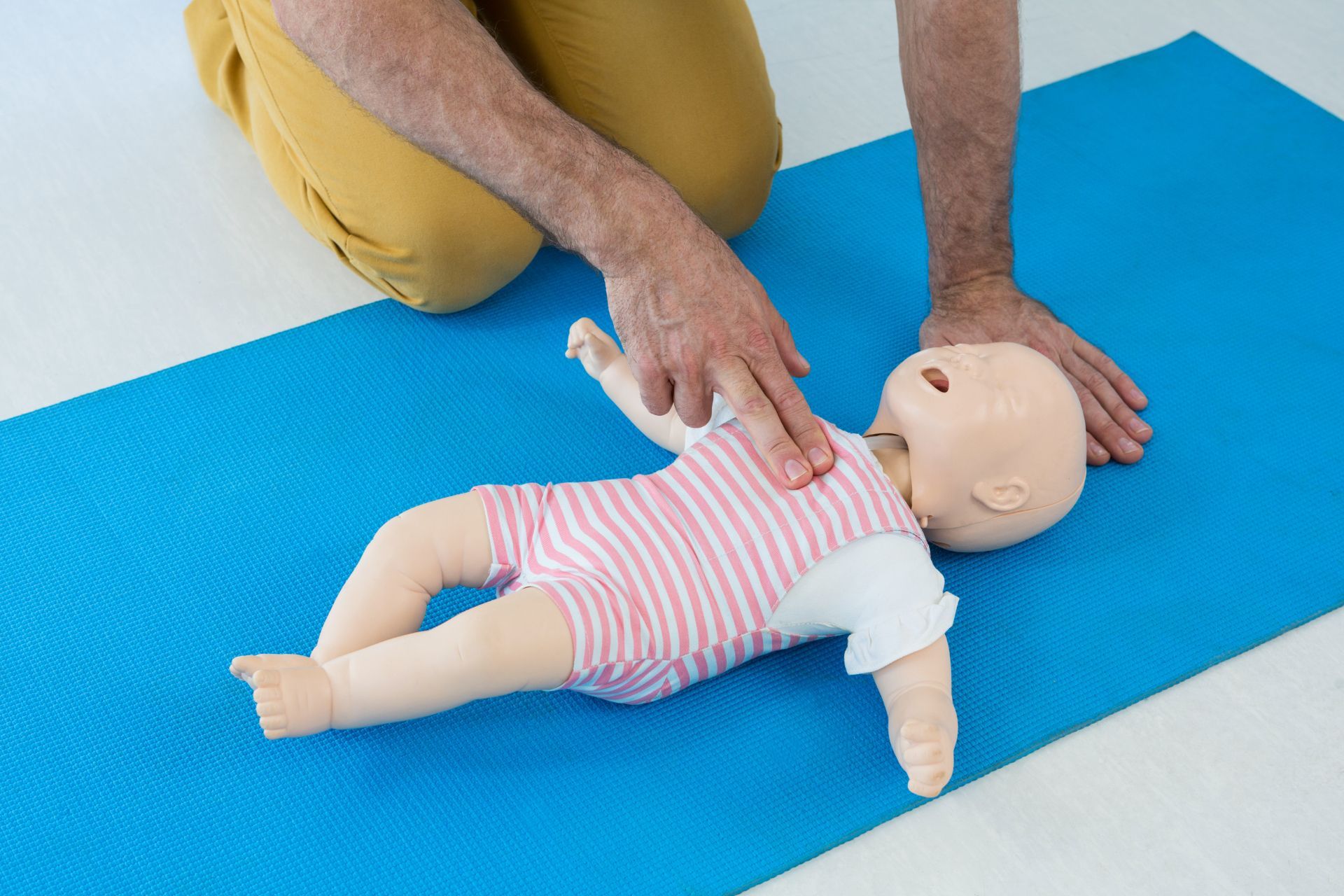
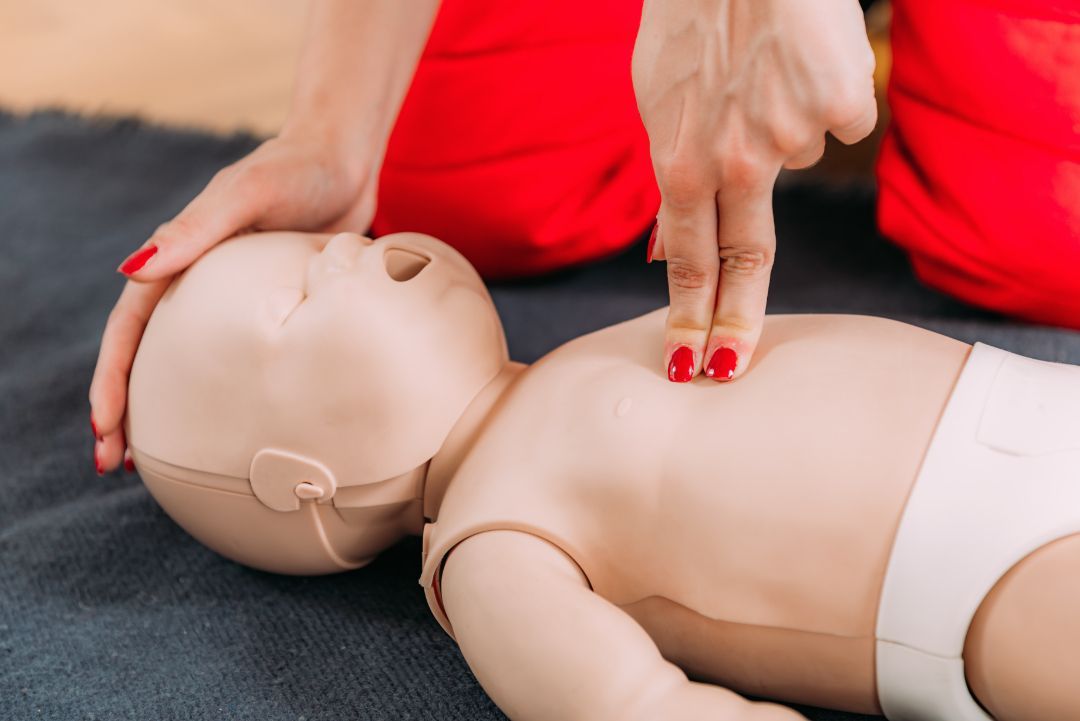
For a single rescuer, infant CPR is commonly performed using two fingers in the center of the chest, just below the nipple line. For two trained rescuers, the two-thumb encircling hands technique may be used because it can provide strong, controlled compressions.
- Compression depth of about 1.5 inches, or about one-third the depth of the chest
- Compression rate of 100 to 120 compressions per minute
- Two-finger technique for a single rescuer
- Two-thumb encircling hands technique for two trained rescuers
- Gentle rescue breaths using enough air to make the chest rise
- Pediatric AED pads, when available
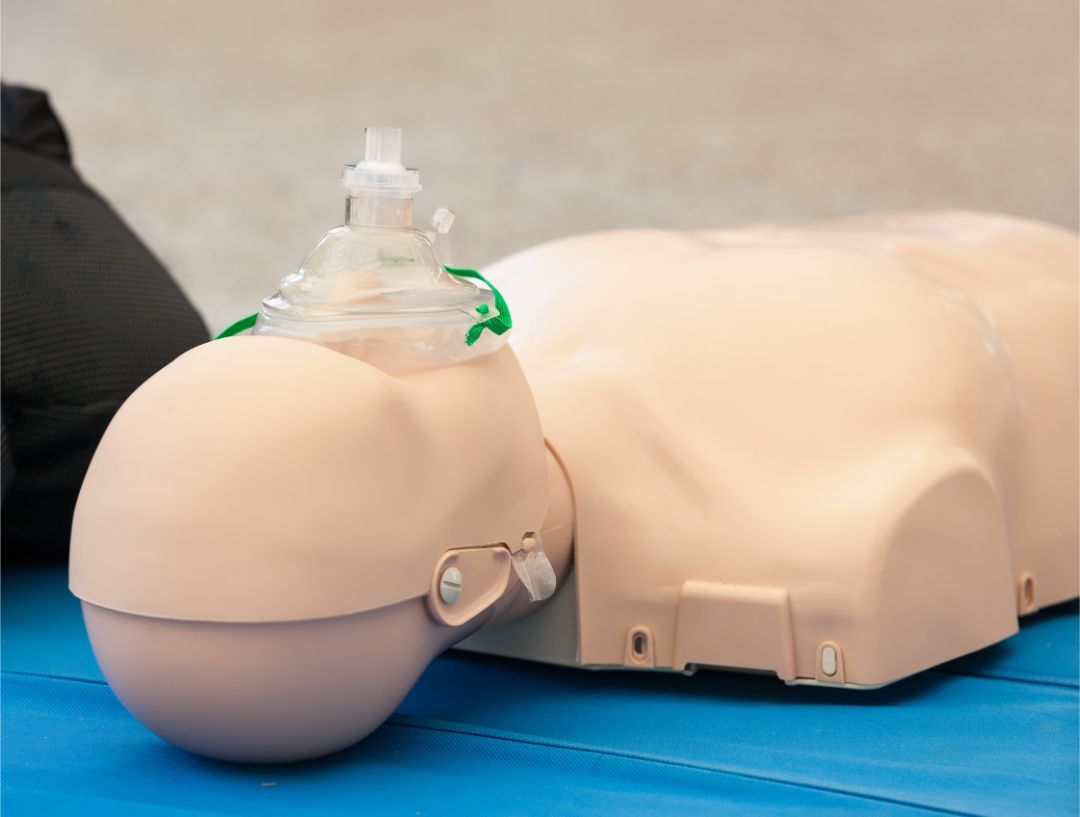
Infant rescue breaths should be gentle. A rescuer should cover the infant’s mouth and nose with their mouth and give small breaths, watching for visible chest rise. Too much air can be harmful, so the goal is not a forceful breath. The goal is enough air to make the chest rise
Compression Depth and Hand Placement
Compression depth is one of the biggest differences between adult, child, and infant CPR.
For adults, compress the chest about 2 inches. For children, compress about 2 inches or about one-third the depth of the chest. For infants, compress about 1.5 inches or about one-third the depth of the chest.
Hand placement also changes. Adults usually require two hands. Children may require one or two hands depending on their size. Infants require a much smaller contact point, using either two fingers or two thumbs depending on the situation and training.
Even though the techniques differ, the goal is consistent: deliver high-quality compressions that are deep enough, fast enough, and allow the chest to fully recoil.
Rescue Breaths: Why They Matter More for Children and Infants
Rescue breaths are especially important in many child and infant emergencies because the cause is often respiratory. Children and infants may experience cardiac arrest after oxygen levels drop due to choking, drowning, severe asthma, respiratory infection, trauma, or suffocation.
For trained rescuers, the common CPR cycle for a single rescuer is 30 compressions followed by 2 breaths. In some professional or healthcare provider settings, two-rescuer CPR for children and infants may use a different compression-to-breath ratio based on the course and protocol being taught.
For lay rescuers who are not trained or who are uncomfortable giving breaths, compression-only CPR is still better than doing nothing. However, parents, caregivers, childcare workers, healthcare providers, teachers, coaches, and workplace responders should strongly consider hands-on training that includes rescue breathing practice.
AED Use for Adults, Children, and Infants
An AED, or automated external defibrillator, can analyze heart rhythm and deliver a shock if needed. AEDs are designed to give clear prompts, and they should be used as soon as one is available.
For adults, use adult AED pads. For children and infants, pediatric pads are preferred when available. If pediatric pads are not available, adult pads may be used. The pads should be placed so they do not touch each other. For smaller children or infants, one pad may need to be placed on the front of the chest and the other on the back.
Always follow the AED’s voice and visual prompts. Do not touch the person while the AED is analyzing or delivering a shock. Resume CPR immediately when instructed.
AHA Training Site and ECSI Education Center Considerations
apid Rescue CPR & Safety Training Solutions supports students and organizations through structured emergency response education. Because Rapid Rescue is an AHA Training Site and also an ECSI Education Center, course selection should be based on the student’s needs, employer requirements, and certification goals.
Rapid Rescue CPR & Safety Training Solutions offers CPR, AED, First Aid, and emergency response training options for individuals, healthcare providers, workplaces, and community groups. Course availability may include AHA-aligned programs and ECSI education options depending on student needs, employer requirements, and certification goals.
Avoid assuming every course meets every workplace, licensing, or professional requirement. Students should confirm the required course type before registering.
Why Hands-On CPR Training Matters
Reading about CPR is helpful, but it does not replace hands-on training. CPR requires timing, body positioning, compression depth, recoil, breath technique, AED awareness, and confidence under pressure. These skills are best developed through practice with feedback.
Hands-on CPR training can help students learn how to recognize cardiac arrest, call 911, begin compressions quickly, give effective rescue breaths when appropriate, use an AED safely, adjust CPR technique for adults, children, and infants, respond as part of a team, and understand workplace emergency roles.
Training does not guarantee outcomes in a real emergency. Many factors affect survival, including the cause of the emergency, how quickly CPR begins, AED availability, EMS response time, the person’s medical condition, and the quality of ongoing care. However, training can help people respond more confidently and appropriately while professional help is on the way.
Common CPR Mistakes to Avoid
Even well-meaning rescuers can make mistakes during an emergency. Training helps reduce those mistakes and builds better response habits.
- Waiting too long to start CPR
- Not calling 911 quickly
- Compressing too slowly
- Compressing too shallow
- Leaning on the chest instead of allowing full recoil
- Stopping compressions too often
- Giving overly forceful breaths to infants
- Not using an AED when one is available
- Being afraid to act
The most important step is to act. Call 911, start CPR if the person is unresponsive and not breathing normally, and use an AED as soon as it is available.
CPR for Parents, Caregivers, and Childcare Providers
Parents and caregivers often search for infant CPR and child CPR because they want to be ready for emergencies at home. This is especially important for families with infants, toddlers, children with medical conditions, pools, home gyms, or frequent group activities.
Childcare providers, babysitters, teachers, coaches, camp staff, and youth program leaders should also understand the differences between adult, child, and infant CPR. Children and infants are not simply “small adults.” Their airway, breathing patterns, body size, and emergency causes require age-appropriate technique.
A CPR class that includes pediatric practice can help caregivers feel more prepared to respond during choking, drowning, breathing emergencies, and sudden collapse.
CPR for Healthcare Providers and Professional Responders
Healthcare providers, dental teams, medical office staff, EMS students, and professional responders may need CPR training that meets specific employer, licensing, or credentialing requirements. For many healthcare roles, Basic Life Support training is required because it includes team-based response, high-quality CPR, AED use, and skills that apply in clinical or professional settings.
Healthcare providers should confirm which course type their employer or licensing body requires before registering. Not every CPR class meets every professional requirement.
CPR for Colorado Workplaces and Community Groups
Colorado businesses, schools, churches, recreation programs, and community organizations can benefit from CPR and AED training that reflects their environment. A mountain recreation business, construction company, childcare center, dental office, and corporate office may all have different emergency risks.
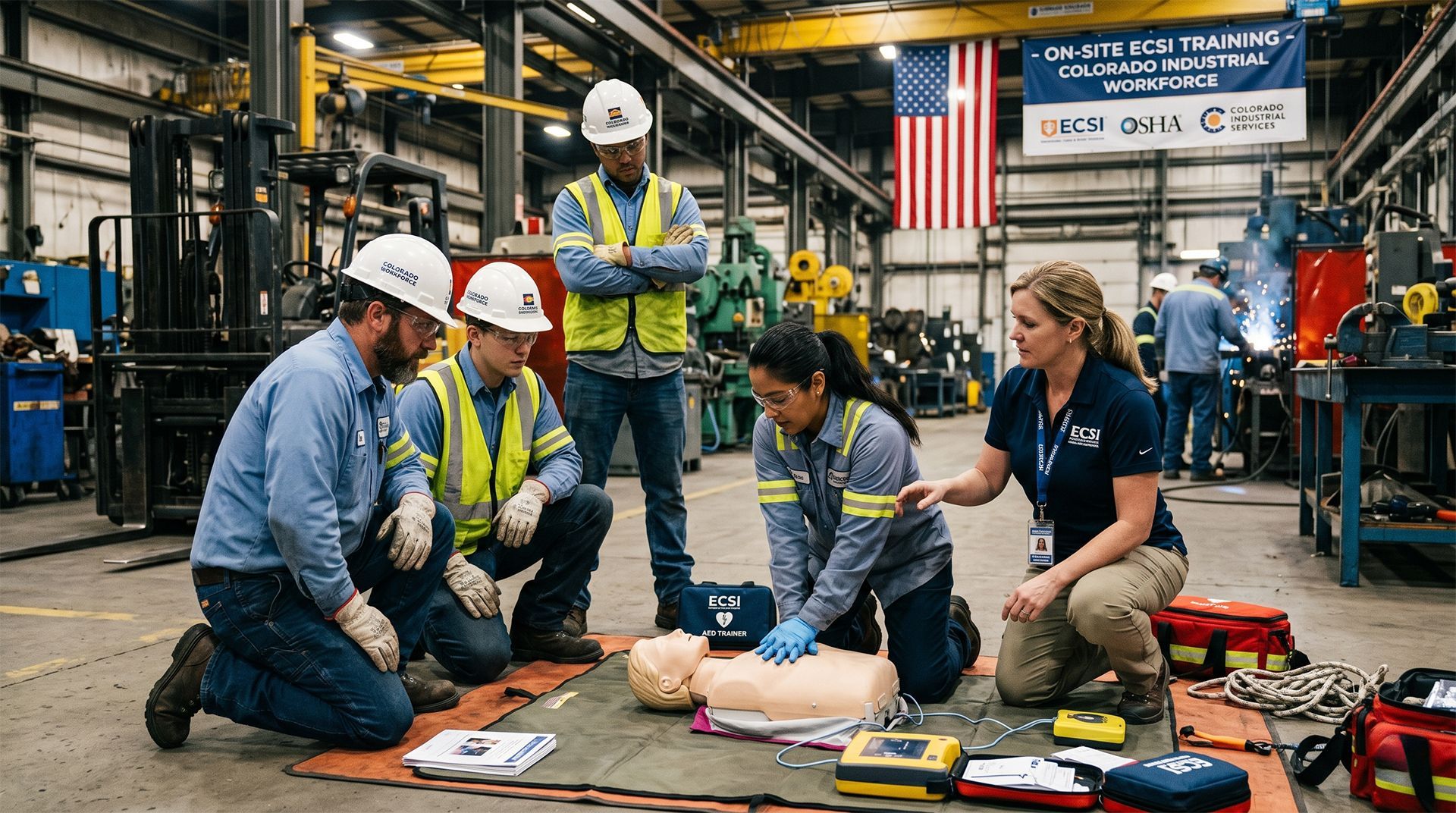
For group training, it is helpful to consider how many employees need training, whether adult, child, and infant CPR should be included, whether AED training is needed, whether First Aid should be added, whether the training needs to meet employer, OSHA, licensing, or industry requirements, whether onsite training is more practical than sending employees to a classroom, and whether documentation or completion cards are required.
A Colorado CPR training provider can help organizations select the right course based on the audience, setting, and compliance needs.
Frequently Asked Questions About Adult, Child, and Infant CPR
Is child CPR the same as adult CPR?
Child CPR follows the same basic goal as adult CPR, but the technique changes. Children may need one-hand compressions instead of two, and the compression depth is based on the child’s size. Rescue breaths are especially important for trained rescuers because many pediatric emergencies involve breathing problems.
Is infant CPR different from child CPR?
Yes. Infant CPR uses a different hand technique and shallower compression depth. A single rescuer commonly uses two fingers on the center of the infant’s chest. Two trained rescuers may use the two-thumb encircling hands technique. Infant rescue breaths should be gentle and only enough to make the chest rise.
Should I give rescue breaths during CPR?
If you are trained and able, rescue breaths are part of conventional CPR and are especially important for children and infants. If you are not trained or are unwilling to give breaths, compression-only CPR is better than doing nothing for a person who is unresponsive and not breathing normally.
When should I call 911?
Call 911 immediately when someone is unresponsive and not breathing normally. If another person is nearby, send them to call 911 and get an AED while you begin CPR. If you are alone, follow the emergency sequence taught in your CPR course and any dispatcher instructions.
Can I use an AED on a child or infant?
Yes. Pediatric AED pads are preferred for children and infants when available. If pediatric pads are not available, adult pads may be used as long as the pads do not touch. Follow the AED prompts.
Final Thoughts: CPR Technique Changes by Age, but Action Comes First
Adult, child, and infant CPR all share the same purpose: support circulation and oxygen delivery during a life-threatening emergency until professional help arrives. The differences matter because adults, children, and infants have different body sizes, airway needs, and common causes of cardiac arrest.
For adults, early compressions and AED use are especially critical. For children and infants, rescue breaths are often especially important when the rescuer is trained. For workplaces, CPR and AED training can support a stronger emergency response plan and help teams understand what to do before EMS arrives.
The best way to build confidence is through hands-on training. Rapid Rescue CPR & Safety Training Solutions provides CPR, AED, First Aid, and emergency response training options for individuals, healthcare providers, workplaces, and community groups across Colorado.
In an emergency, call 911, start CPR if the person is unresponsive and not breathing normally, use an AED if available, and follow dispatcher instructions.