Can You Get Sued for Performing CPR? Legal Protections Explained
When someone suddenly collapses and appears to be in cardiac arrest, many bystanders hesitate before helping. One of the biggest reasons is fear.
They wonder: Can I get sued for performing CPR?
It is a reasonable question. People worry about doing something wrong, breaking ribs during CPR, using an AED incorrectly, or helping even though they are not currently CPR certified.
The important thing to understand is that emergency response laws are generally designed to encourage people to help during life-threatening emergencies, not discourage them from acting. Across the United States, Good Samaritan laws generally provide legal protections for people who voluntarily assist during an emergency in good faith.
There are also federal protections related to AED use through the Cardiac Arrest Survival Act of 2000, sometimes called CASA or the Federal Cardiac Arrest Survival Act.
This article explains what bystanders should know about CPR legal protection, Good Samaritan laws, AED liability, hands-only CPR, and when CPR certification may be required.
Can You Get Sued for Performing CPR?
Technically, almost anyone can file a lawsuit. The better question is whether a person who performs CPR in good faith is likely to face legal liability for trying to help during an emergency.
In many cases, Good Samaritan laws are intended to protect bystanders who voluntarily provide emergency assistance. These laws vary by state, but they generally protect people who act reasonably, in good faith, and without expecting payment.
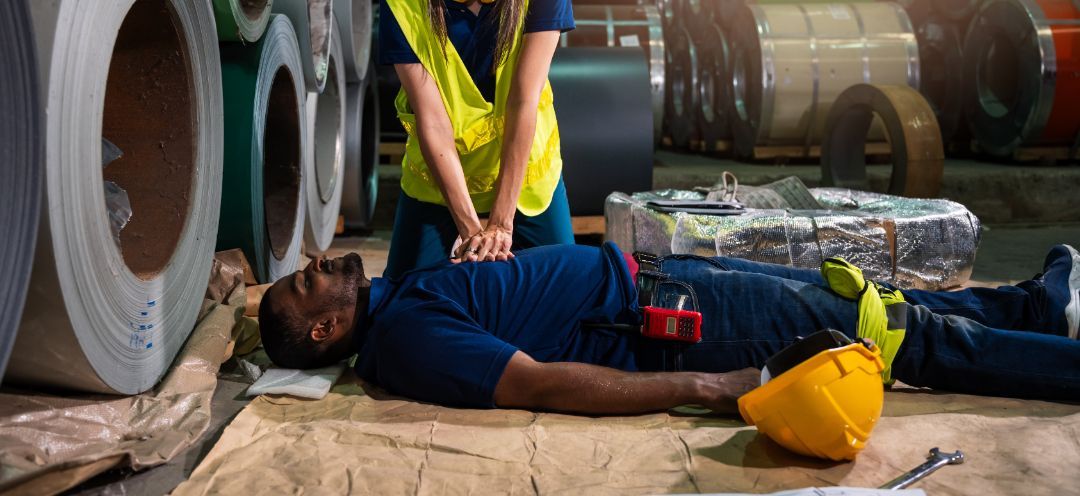
For example, if someone collapses, is unresponsive, and is not breathing normally, a bystander who calls 911 and begins CPR is usually acting within the type of emergency response Good Samaritan laws are meant to encourage.
That does not mean legal protection is unlimited. Good Samaritan laws generally do not protect intentional misconduct, reckless behavior, or gross negligence. Laws also vary by state and jurisdiction, so this article should be treated as educational information, not legal advice.
Do You Need CPR Certification to Perform CPR?
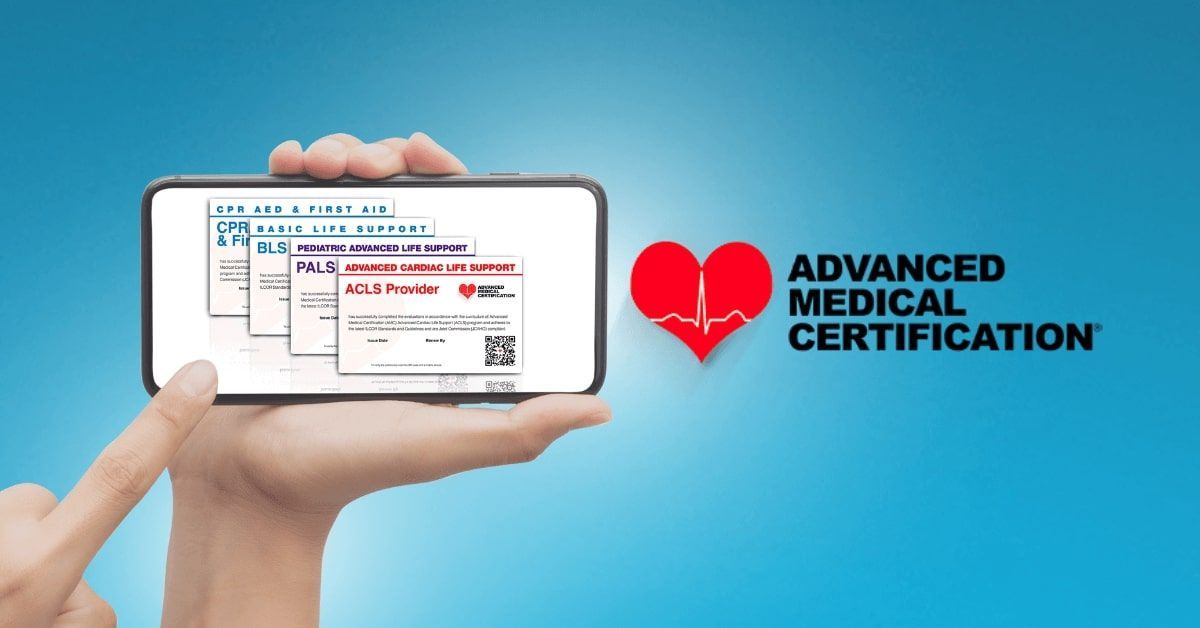
In most emergency situations, no. A bystander generally does not need CPR certification to attempt CPR during a cardiac emergency.
There is also no general public CPR license. CPR certification is a training credential showing that a person completed a course and practiced CPR and AED skills. It is not usually a legal requirement for helping someone during an emergency.
This is important because many people hesitate because they think they are not allowed to help if they are not certified. In a suspected cardiac arrest, the larger concern is often delay.
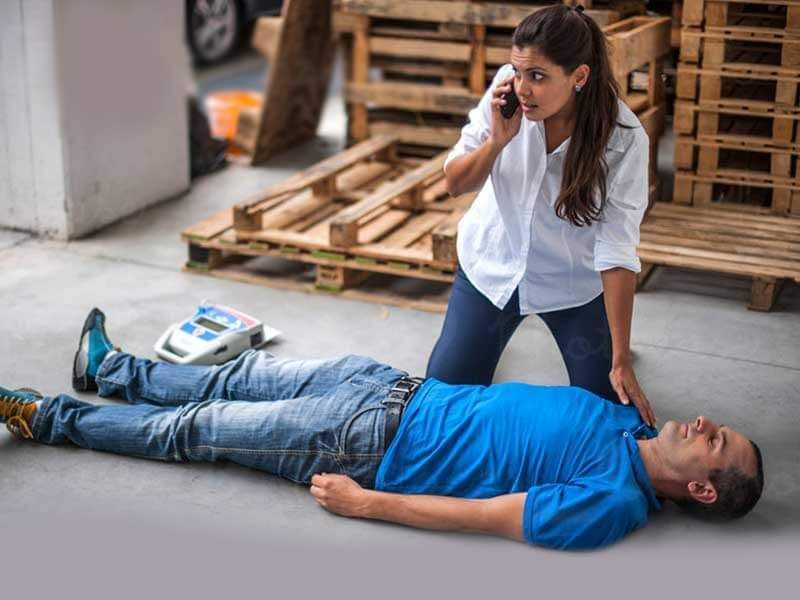
If an adult suddenly collapses, is unresponsive, and is not breathing normally, calling 911 and starting chest compressions can help support circulation while emergency medical services are on the way.
How Good Samaritan Laws Protect Bystanders

Good Samaritan laws are state laws that generally protect people who voluntarily help during emergencies.
Although the exact wording varies by state, these laws commonly apply when the situation is an emergency, the responder acts voluntarily, the responder acts in good faith, the responder does not expect compensation, and the responder avoids gross negligence or intentional harm.
Good Samaritan laws are especially relevant to CPR because cardiac arrest is extremely time-sensitive. Emergency responders may take several minutes to arrive, and bystander action can help bridge that gap.
Because laws vary, anyone with specific legal questions should consult a qualified attorney or review the laws in their state.
Can You Get Sued for Breaking Ribs During CPR?
Fear of breaking ribs is one of the most common reasons people hesitate to perform CPR.
Effective CPR requires chest compressions that are hard and fast in the center of the chest. Because of that force, rib fractures or other chest injuries can occur, especially in older adults or people with fragile bones.
A rib injury does not automatically mean CPR was performed incorrectly.
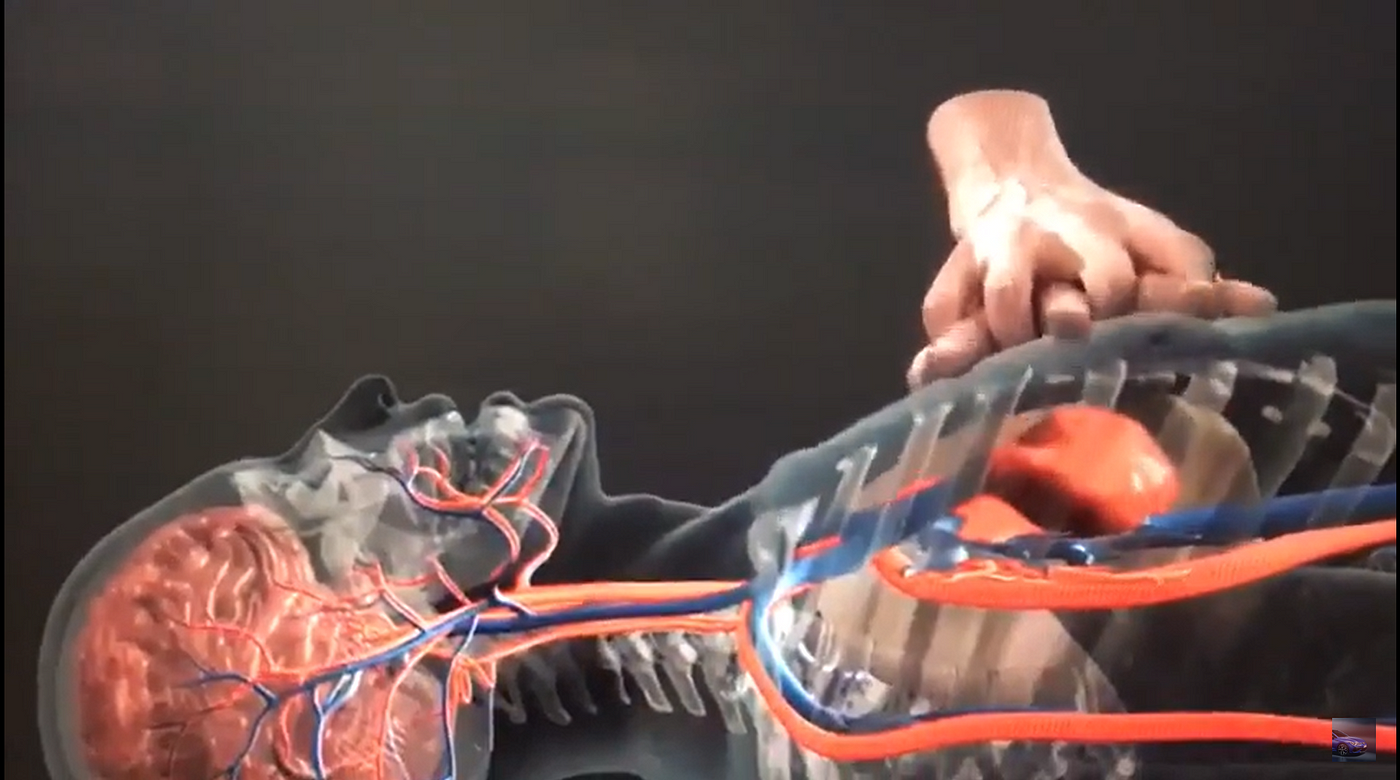
During true cardiac arrest, the person’s heart is not pumping blood effectively. Chest compressions are performed to help circulate blood to vital organs until emergency responders arrive or an AED can be used.
From a legal standpoint, the issue is generally not whether an injury occurred. The issue is whether the responder acted reasonably and in good faith under the circumstances. This is exactly the type of situation Good Samaritan laws are designed to address.
Can Anyone Use an AED in an Emergency?
In most public emergency situations, AEDs are designed so ordinary bystanders can use them.
An AED, or Automated External Defibrillator, gives step-by-step voice and visual instructions. The device analyzes the person’s heart rhythm and delivers a shock only if a shockable rhythm is detected.
That means the bystander does not need to manually diagnose the heart rhythm. The AED is built to guide the user through the process.
If an AED is available during a suspected cardiac arrest, current emergency-response guidance encourages using it as soon as possible while continuing CPR as directed.
Federal AED Protections Under the Cardiac Arrest Survival Act
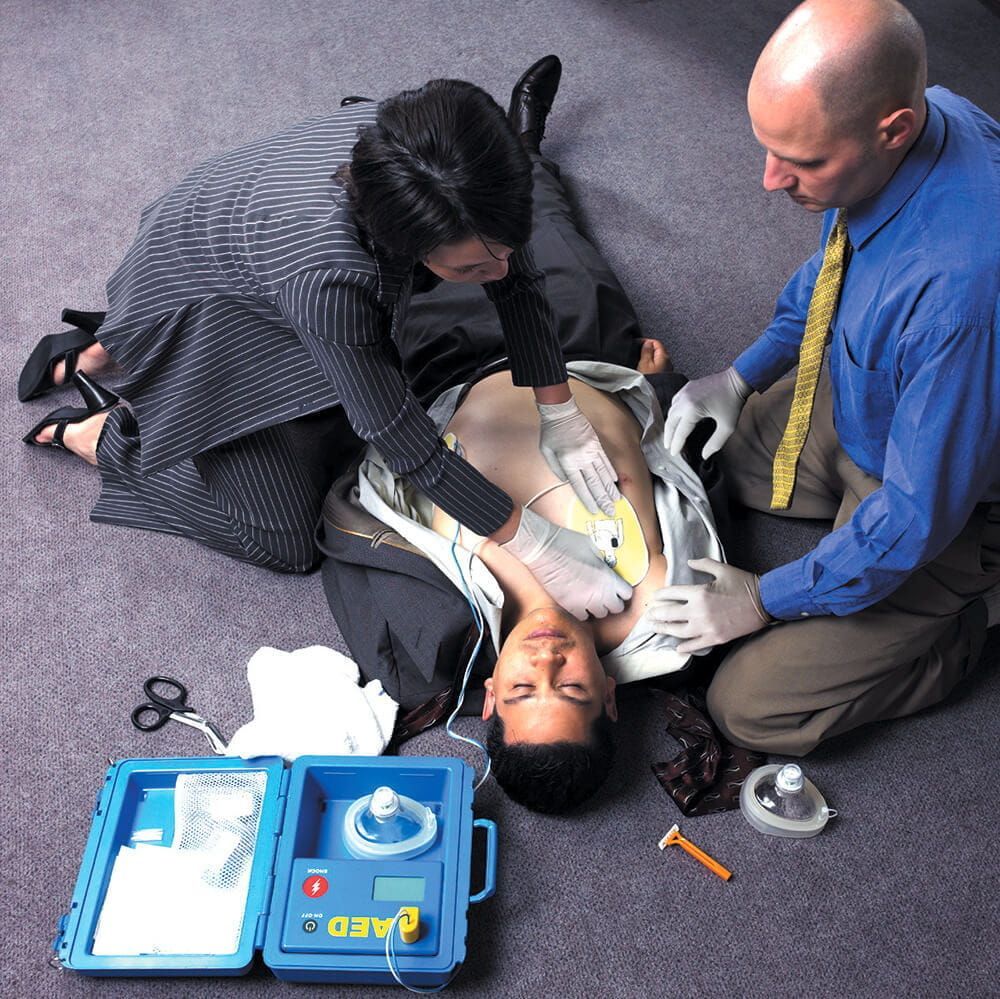
The Cardiac Arrest Survival Act of 2000, often referred to as CASA or the The Federal Cardiac Arrest Survival Act (FCASA), was created to encourage public access to AEDs and reduce hesitation around emergency AED use.
Under 42 U.S. Code § 238q, federal law provides certain liability protections related to the emergency use of AEDs. These protections generally support people who use AEDs in good faith during perceived medical emergencies.
This law is important for this topic because many bystanders worry they could be sued for using an AED incorrectly. While no law guarantees complete immunity in every circumstance, federal AED protections and state Good Samaritan laws are designed to support good-faith emergency response.
What AHA Guidance Says About Hands-Only CPR
Hands-only CPR is an important part of public CPR education.
The American Heart Association encourages hands-only CPR for many adult sudden cardiac arrest situations involving untrained bystanders. Hands-only CPR focuses on chest compressions without rescue breaths.
The basic steps are: call 911, push hard and fast in the center of the chest, and use an AED as soon as one is available.
Hands-only CPR is especially important because it gives untrained bystanders a clear, simple way to respond while waiting for emergency medical services.
When CPR Certification May Be Required
While CPR certification is not usually required for a private bystander helping during an emergency, it may be required in certain jobs, industries, or regulated settings.
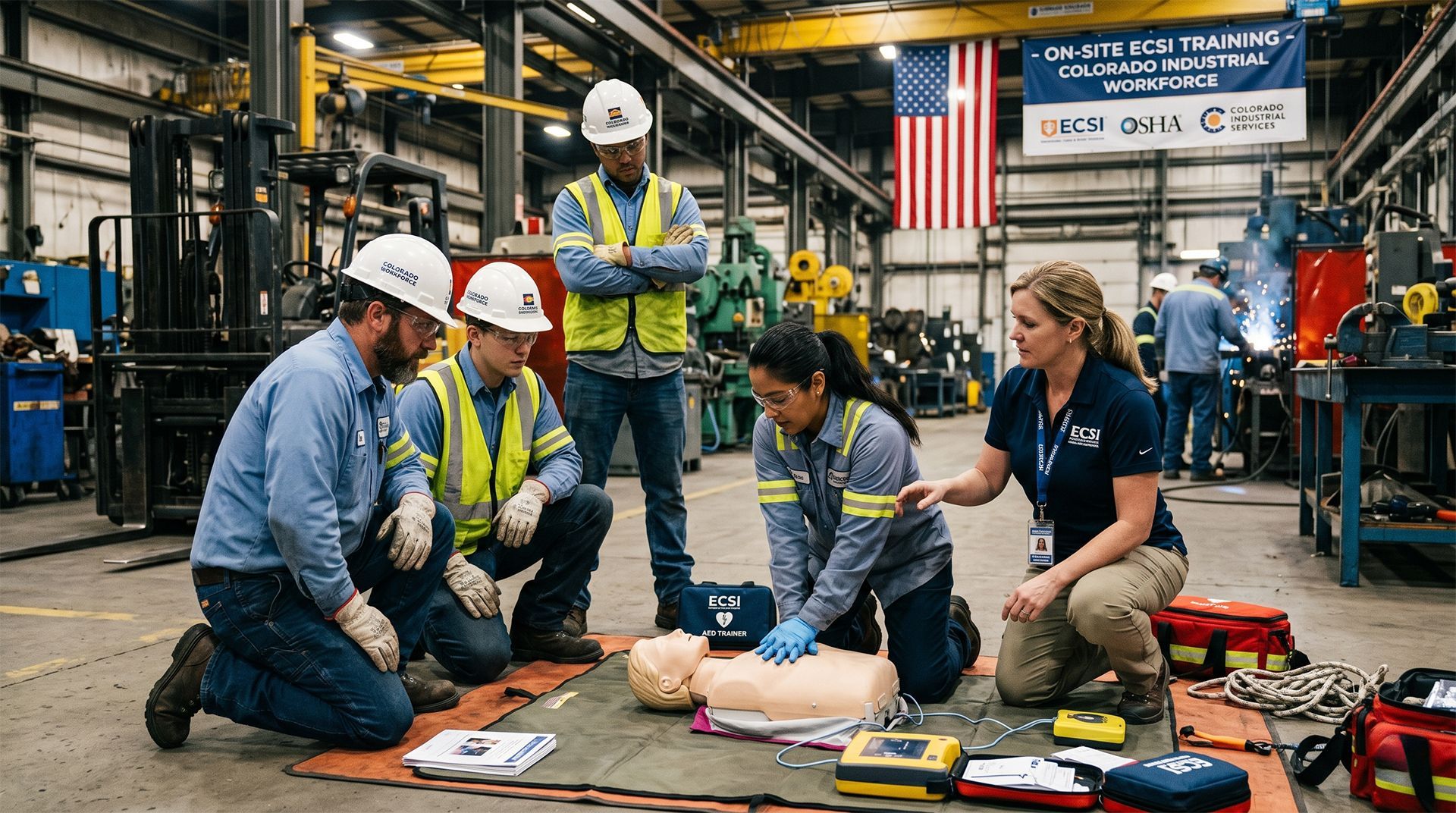
CPR training requirements may apply to healthcare providers, childcare workers, fitness professionals, lifeguards, school staff, coaches, workplace safety teams, some construction or industrial employees, and certain licensed professionals.
In these situations, CPR certification may be required by an employer, licensing board, industry standard, insurance policy, or state regulation. That is different from a private bystander helping in an unexpected emergency.
Why CPR Training Still Matters
Even when CPR certification is not legally required, CPR and AED training is still one of the best ways to prepare for an emergency.
Training helps people recognize cardiac arrest faster, practice high-quality chest compressions, learn how to use an AED, understand when to call 911, reduce hesitation during emergencies, and meet workplace or industry training requirements.
During CPR classes, instructors often hear the same concern: What if I do it wrong?
Training helps replace hesitation with a clear action plan. It also gives people supervised practice before a real emergency happens.
CPR Legal Protection FAQs
Can you perform CPR without certification?
In most emergency situations, yes. A private bystander generally does not need CPR certification to attempt CPR during a suspected cardiac arrest.
Can you get sued for performing CPR?
Anyone can technically file a lawsuit, but Good Samaritan laws generally exist to protect people who voluntarily help during emergencies in good faith.
Are Good Samaritan laws federal or state laws?
Good Samaritan laws are primarily state laws, which means protections vary by jurisdiction.
What happens if ribs break during CPR?
Rib fractures can happen during effective CPR. An injury does not automatically mean the responder acted improperly.
Can anyone use an AED?
AEDs are designed for public use and provide step-by-step instructions. Federal and state laws may provide certain liability protections for good-faith AED use.
Is hands-only CPR recommended?
Hands-only CPR is commonly encouraged for untrained bystanders responding to many adult sudden cardiac arrest situations.
Is CPR certification required for work?
It depends on the job, employer, industry, and state regulations. Healthcare, childcare, fitness, education, and safety-related roles often require CPR certification.
Final Thoughts on CPR Liability and Legal Protection
In most emergency situations, you do not need CPR certification to attempt lifesaving care.
Good Samaritan laws generally exist to protect people who voluntarily help during emergencies and act in good faith. Federal AED protections under the Cardiac Arrest Survival Act also support public AED use during emergencies.
While laws vary by state and no legal protection is absolute, emergency-response systems are designed to encourage fast bystander action during cardiac arrest.
The best way to feel prepared is to take a CPR and AED training course, practice the skills, and understand how to respond before an emergency happens.
Important Legal Disclaimer
This article is for educational purposes only and should not be considered legal or medical advice. Laws, regulations, and emergency-response recommendations may vary by state, organization, and jurisdiction. Anyone with specific legal questions should consult a qualified attorney.