Why CPR Training Is Important for Emergency Preparedness
Key Takeaway
CPR training is important because it teaches people how to recognize a cardiac emergency, call 911, begin high-quality chest compressions, use an AED when available, and support the Chain of Survival until emergency medical services arrive. CPR does not guarantee a specific medical outcome, but early action may help maintain blood circulation and improve the chance that a person receives timely emergency care.
Why CPR Training Matters in an Emergency
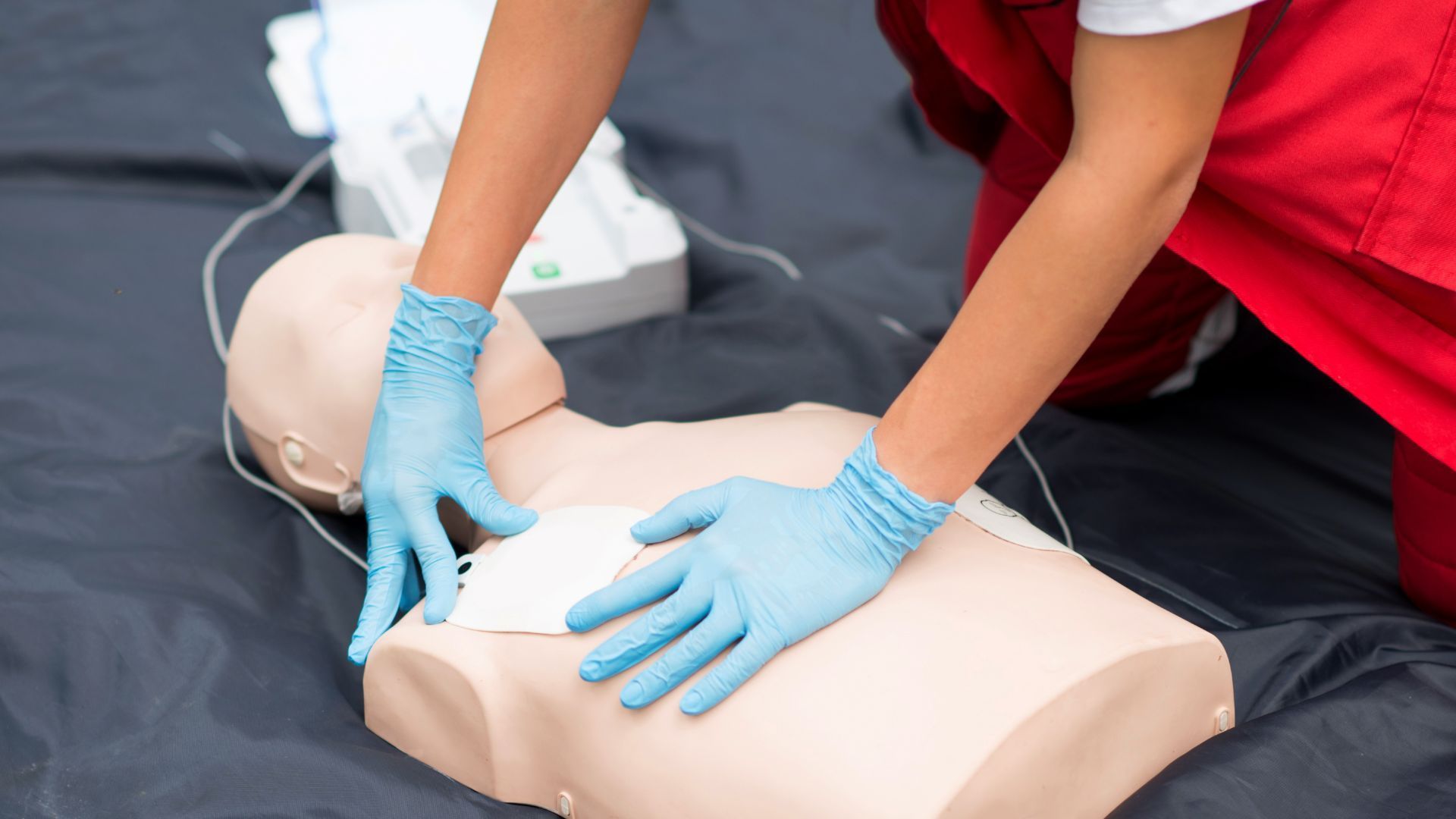
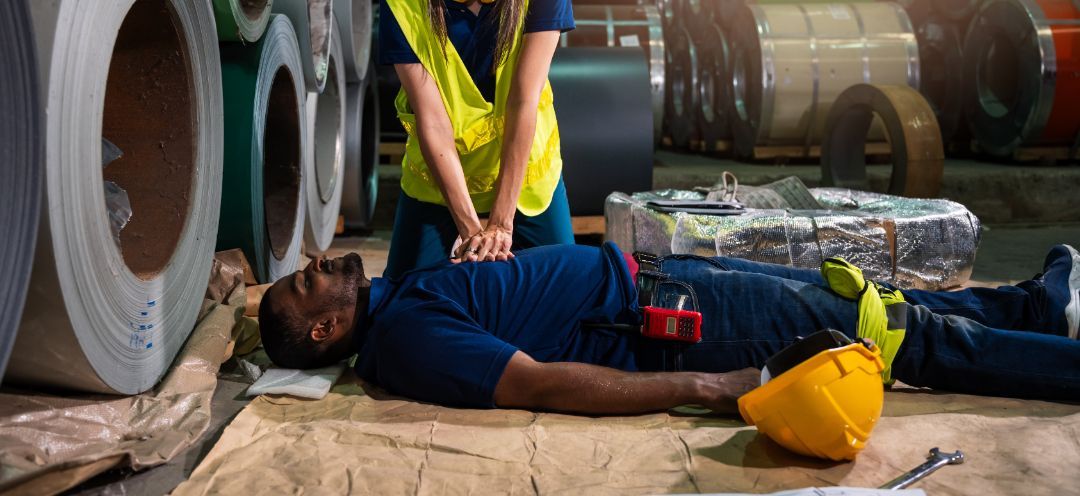
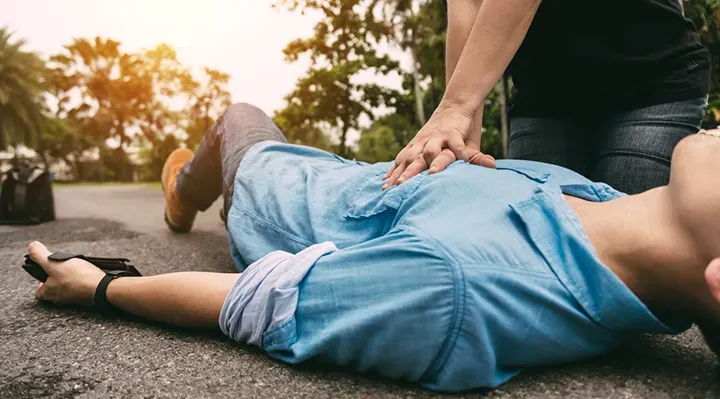
Emergencies rarely happen when people feel fully prepared. A person may collapse at work, during a fitness class, at school, in a public space, or at home with family. In those first few minutes, bystanders often become the first link in the emergency response process. CPR training gives ordinary people a practical framework for recognizing what is happening and taking appropriate action while professional responders are on the way.
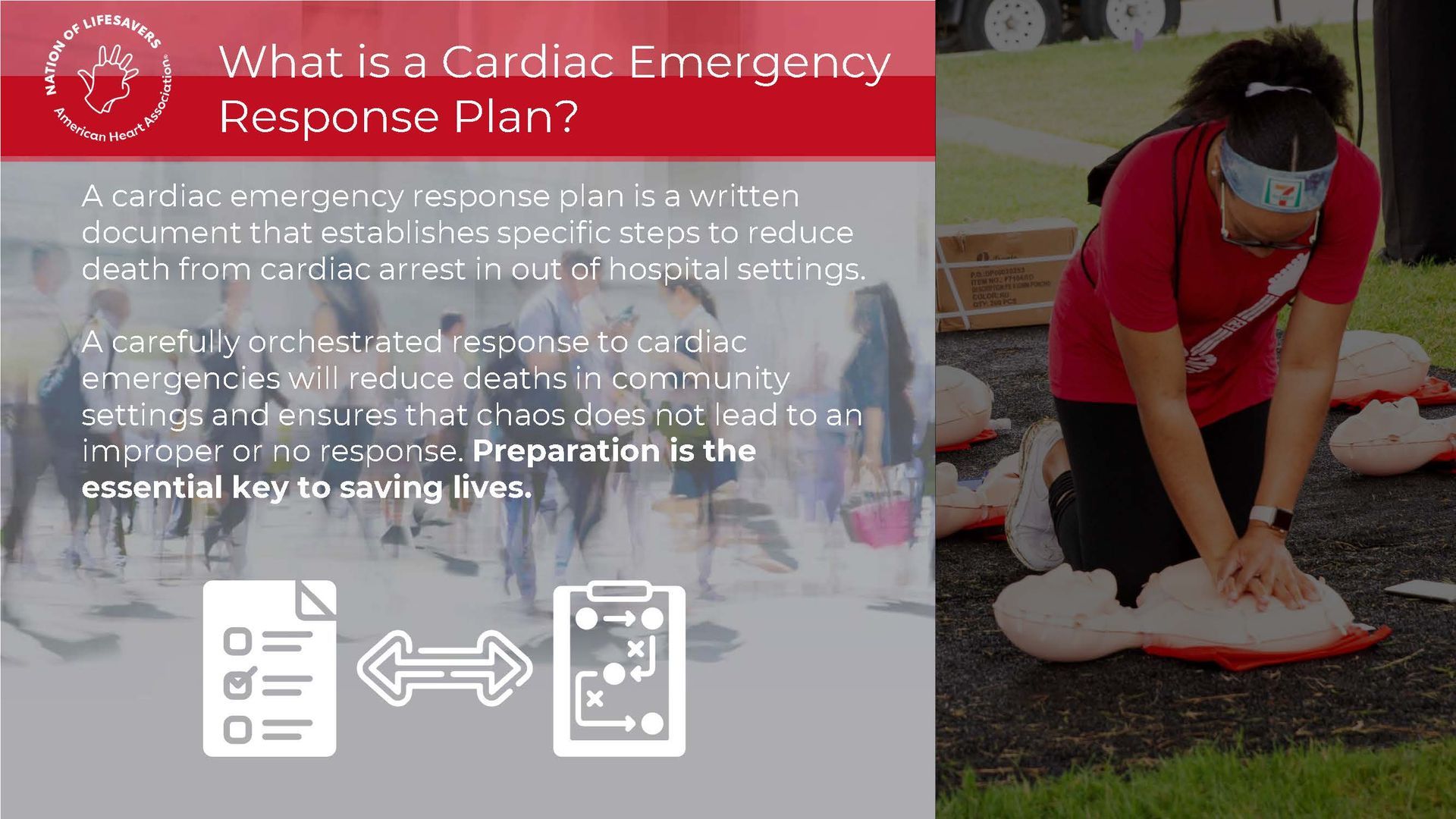
Cardiopulmonary Resuscitation, commonly called CPR, is an emergency response skill used when someone is unresponsive and not breathing normally. The goal is to help circulate oxygenated blood through the body by using chest compressions, and when trained and appropriate, rescue breaths. CPR is not a replacement for medical care. It is a bridge that supports circulation until emergency medical services can take over.
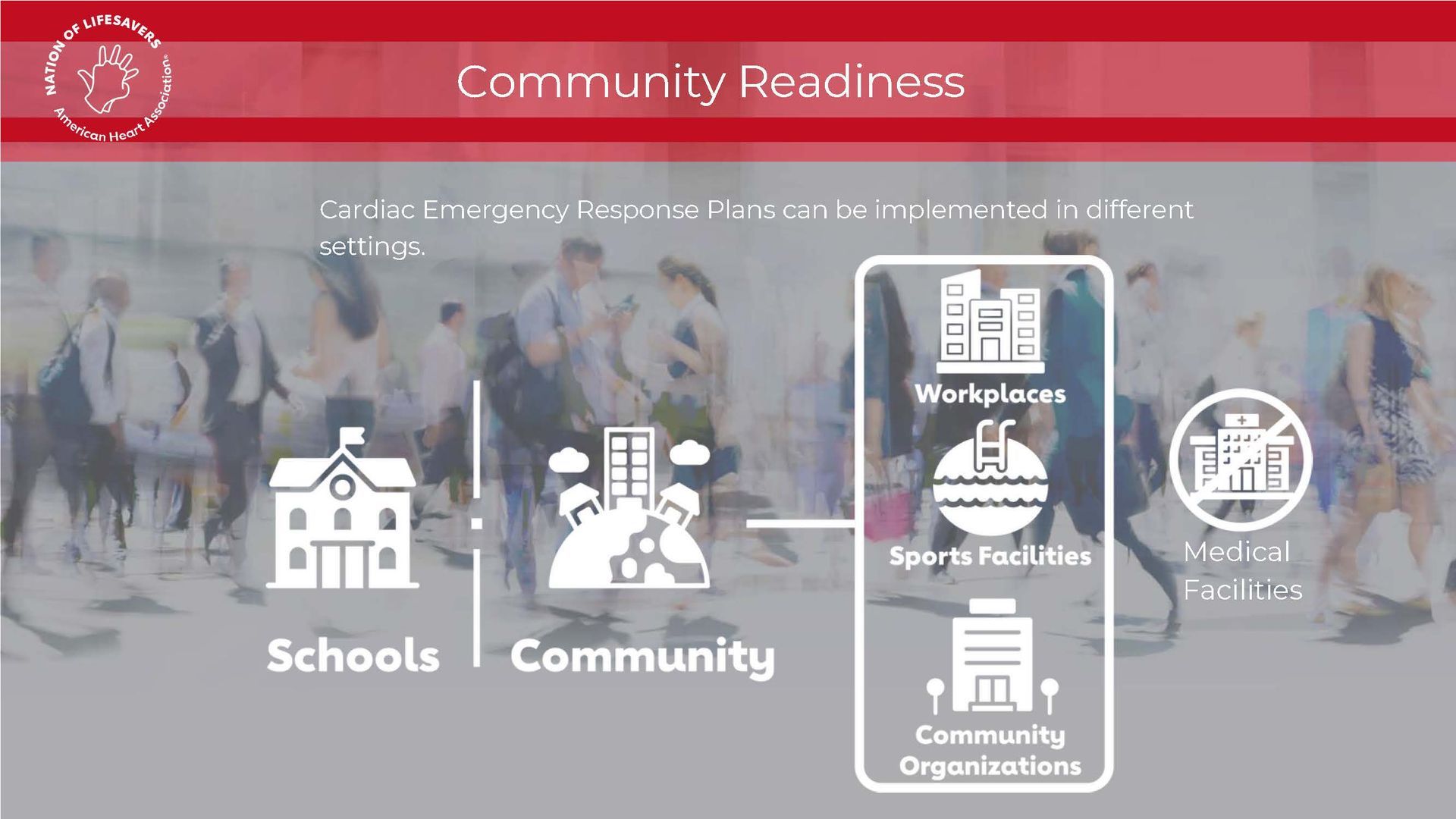
For businesses, schools, healthcare settings, construction companies, childcare providers, fitness facilities, and community organizations, CPR training is more than a helpful skill. It is part of a stronger safety culture. When people know what to do, they are more likely to respond quickly, communicate clearly, and use available emergency equipment such as an automated external defibrillator, or AED.
Rapid Rescue CPR & Safety Training Solutions offers AHA-compliant training options for individuals, teams, and workplaces. To review available classes, visit
AHA-certified classes.
The History of CPR and the American Heart Association’s Role
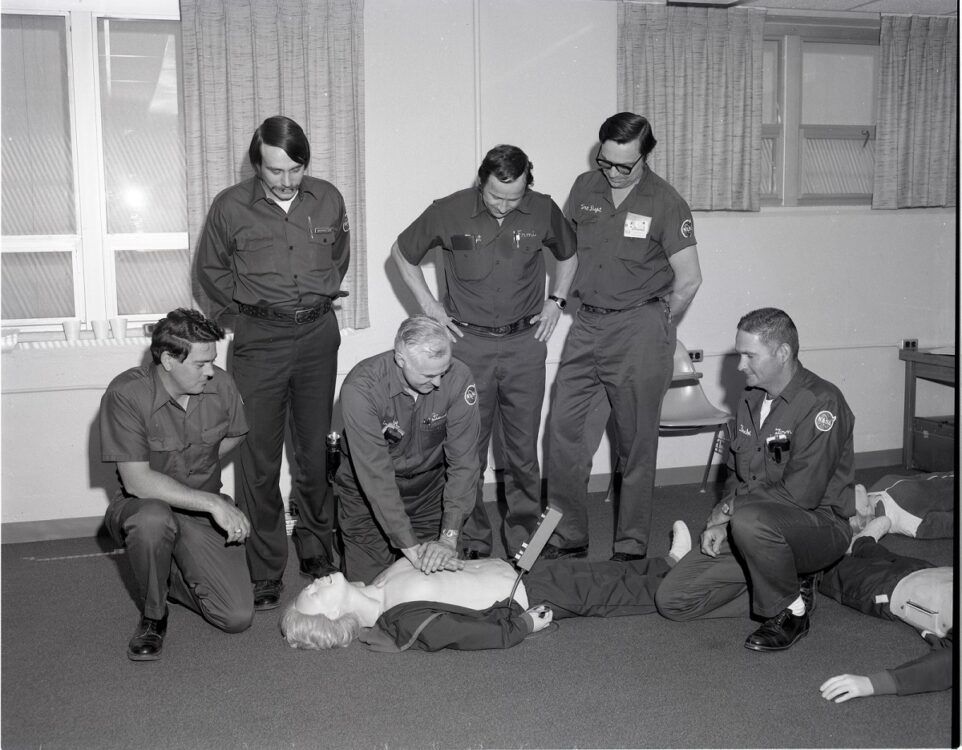
Modern CPR developed from decades of medical research, emergency care improvements, and public health education. While attempts to revive people after cardiac or breathing emergencies go back much further, the foundation of CPR as it is taught today began to take shape in the mid-20th century, when researchers identified the importance of combining chest compressions with rescue breathing to support circulation and oxygen movement during cardiac arrest.
In the 1960s, CPR became more widely recognized as a practical emergency response skill that could be taught beyond hospital settings. This shift was important because cardiac arrest often happens outside of a medical facility, where the first person available to respond may be a family member, coworker, teacher, coach, or bystander. As research continued, CPR education expanded from a medical-only skill into a community preparedness tool.
The American Heart Association has played a major role in that evolution. The AHA helped standardize CPR education, publish science-based resuscitation guidelines, and promote training that reflects current emergency cardiovascular care recommendations. Over time, AHA guidance has helped shape how instructors teach chest compressions, rescue breaths, AED use, team response, and the Chain of Survival.
Today, AHA-compliant CPR training focuses on clear, repeatable skills that help students recognize an emergency, activate emergency medical services, begin high-quality chest compressions, use an AED when available, and continue care until professional responders take over. The goal is not to guarantee a specific outcome, but to prepare people to respond quickly, safely, and confidently during a time-sensitive emergency.
For students, workplaces, healthcare providers, and community organizations, this history matters because CPR training is not based on tradition alone. It is built on decades of research, guideline updates, and real-world emergency response experience. Taking an AHA-compliant CPR class helps ensure students are learning skills that reflect current standards rather than outdated techniques.
What CPR Training Teaches
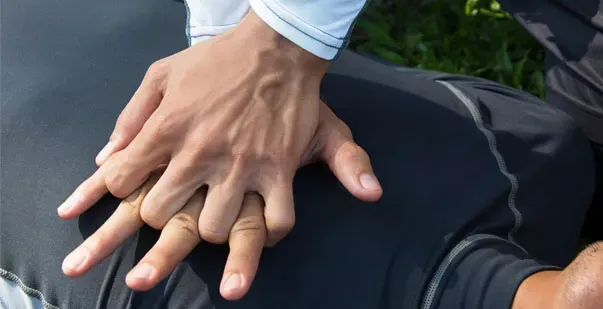
A quality CPR class is not just a lecture about emergencies. It gives students guided practice with the core steps used during a real response. Students learn how to check responsiveness, activate emergency services, begin compressions, use an AED, and continue care until help arrives or another trained responder takes over.
Current CPR education emphasizes early recognition, quick activation of EMS, high-quality compressions, AED use, teamwork, and ongoing practice. For many students, the most valuable part of class is building the confidence to act instead of freezing during a stressful situation.
The Chain of Survival: Why Each Step Matters
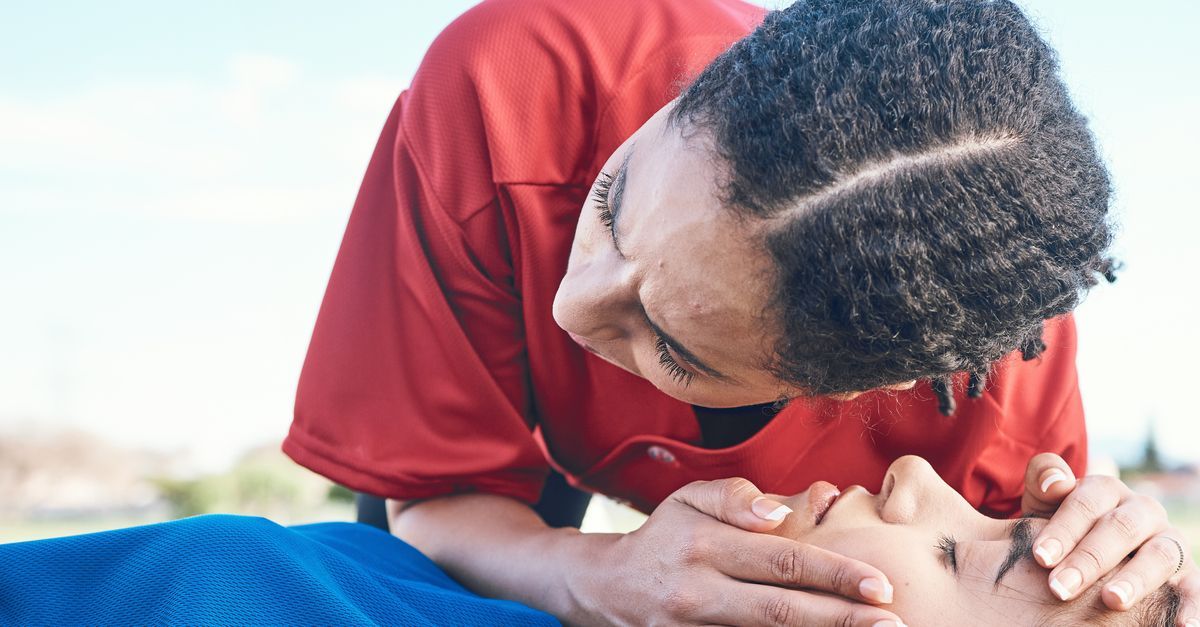
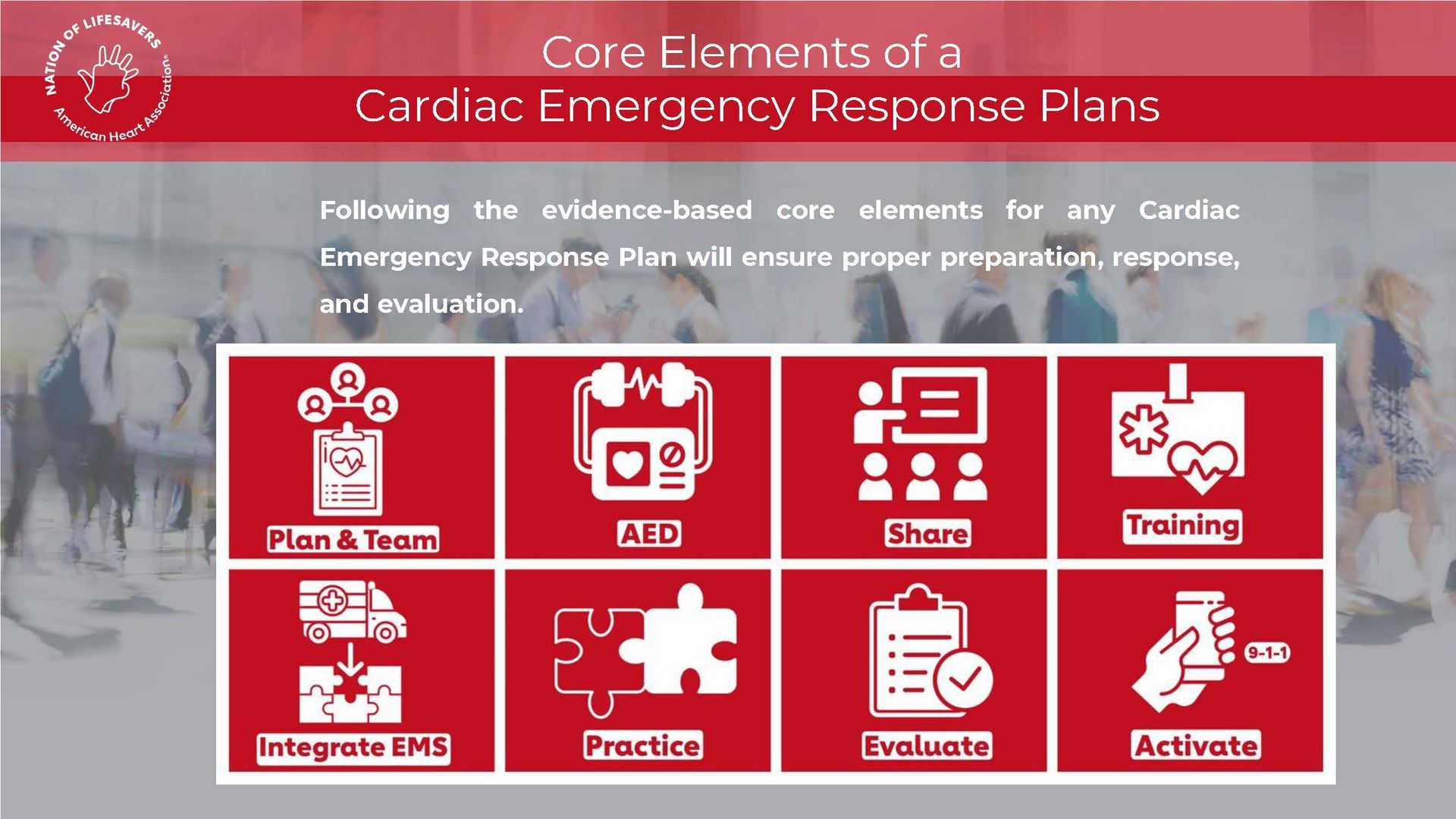
The Chain of Survival is a commonly used emergency response concept that explains how several actions work together during a cardiac emergency. The strongest response happens when each link is addressed quickly and effectively.
- Recognize the emergency and call 911. Early recognition helps bring professional responders to the scene as quickly as possible.
- Begin CPR. Chest compressions may help maintain blood flow to the brain and other vital organs.
- Use an AED when available. AEDs can analyze heart rhythm and deliver a shock when indicated by the device.
- Support advanced medical care. EMS and healthcare professionals provide additional treatment after arrival.
- Continue post-event care. Recovery and follow-up care depend on the patient, the event, and the clinical setting.
CPR training helps students understand their role in this process. A bystander does not need to diagnose a medical condition. The job is to recognize that something is wrong, call 911, follow dispatcher instructions, and provide appropriate care within the scope of training.
Hands-Only CPR and CPR With Breaths
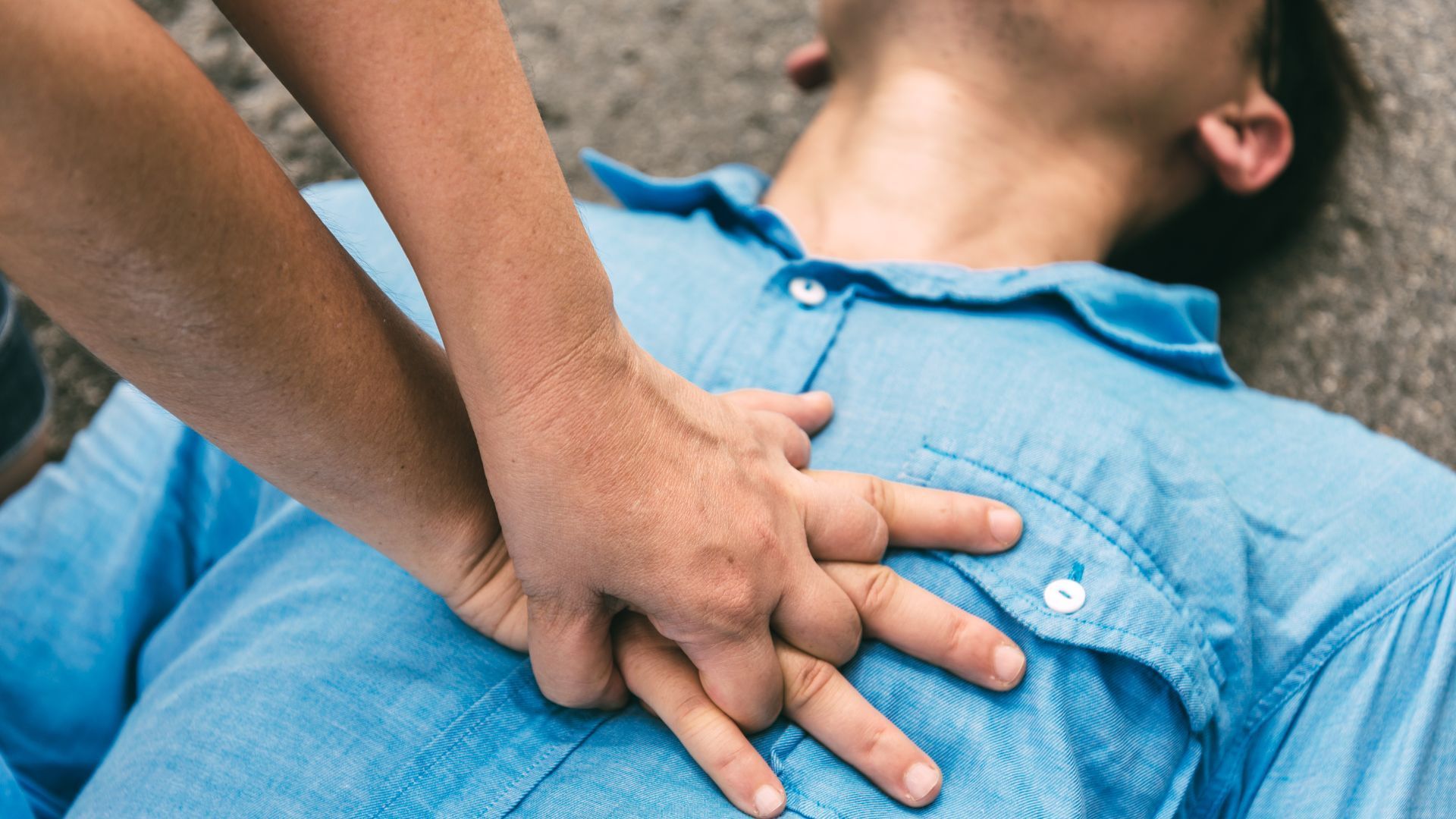
Many people hesitate to help because they worry they will do something wrong. CPR training helps reduce that hesitation by explaining the difference between hands-only CPR and CPR that includes rescue breaths.
Hands-only CPR is commonly emphasized for untrained bystanders responding to a teen or adult who suddenly collapses. It focuses on calling 911 and performing continuous chest compressions. This approach can make it easier for bystanders to start helping immediately.
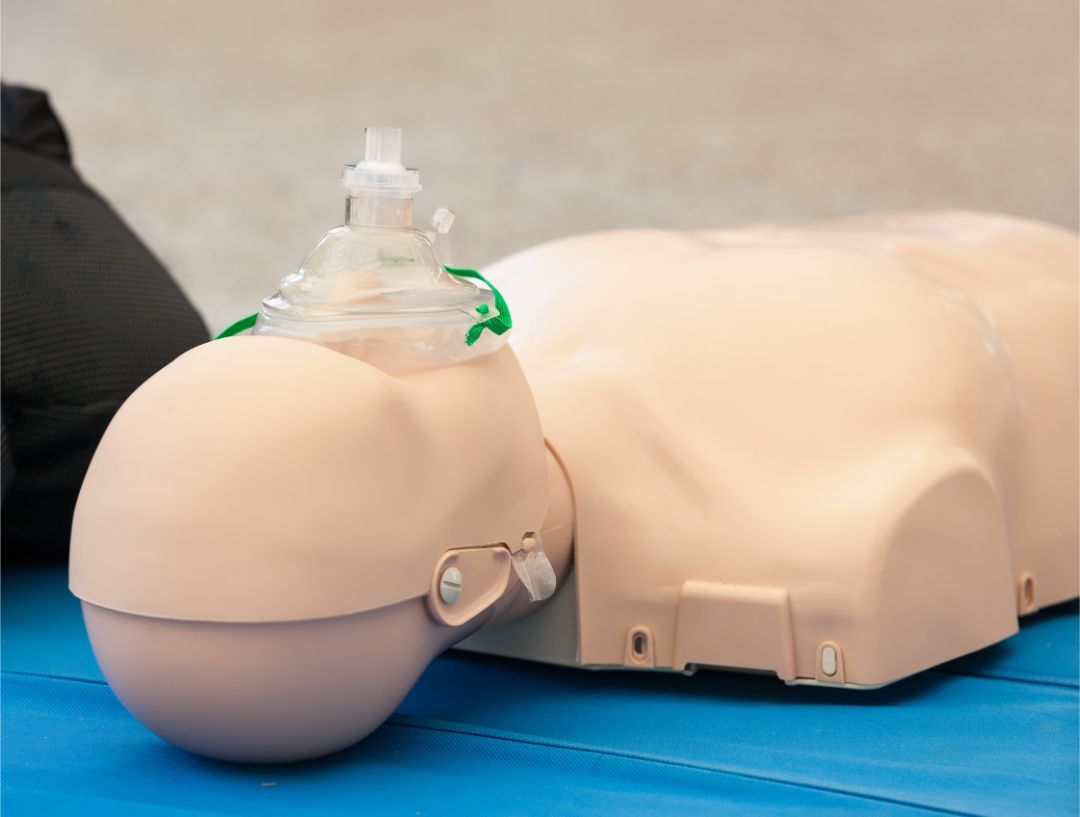
CPR with rescue breaths is taught in certification courses and is especially important in certain situations, including pediatric emergencies, drowning, respiratory emergencies, and professional or workplace response settings. Students in AHA-compliant CPR classes practice the skills appropriate to the course level and audience.
For people who need formal training, certification, or recertification, Rapid Rescue provides class options through its AHA-certified class page.
Why AED Training Is an Important Part of CPR Education
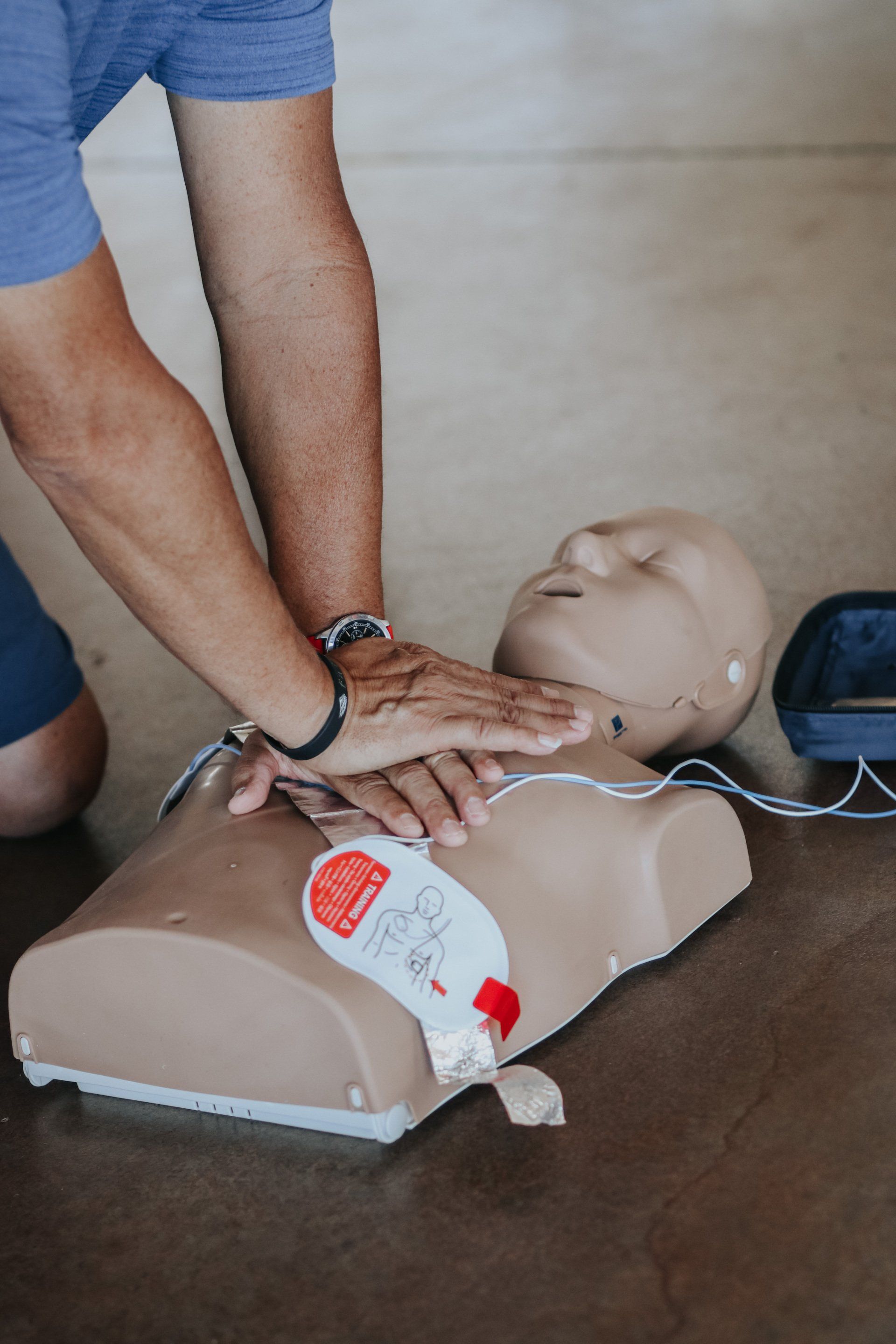
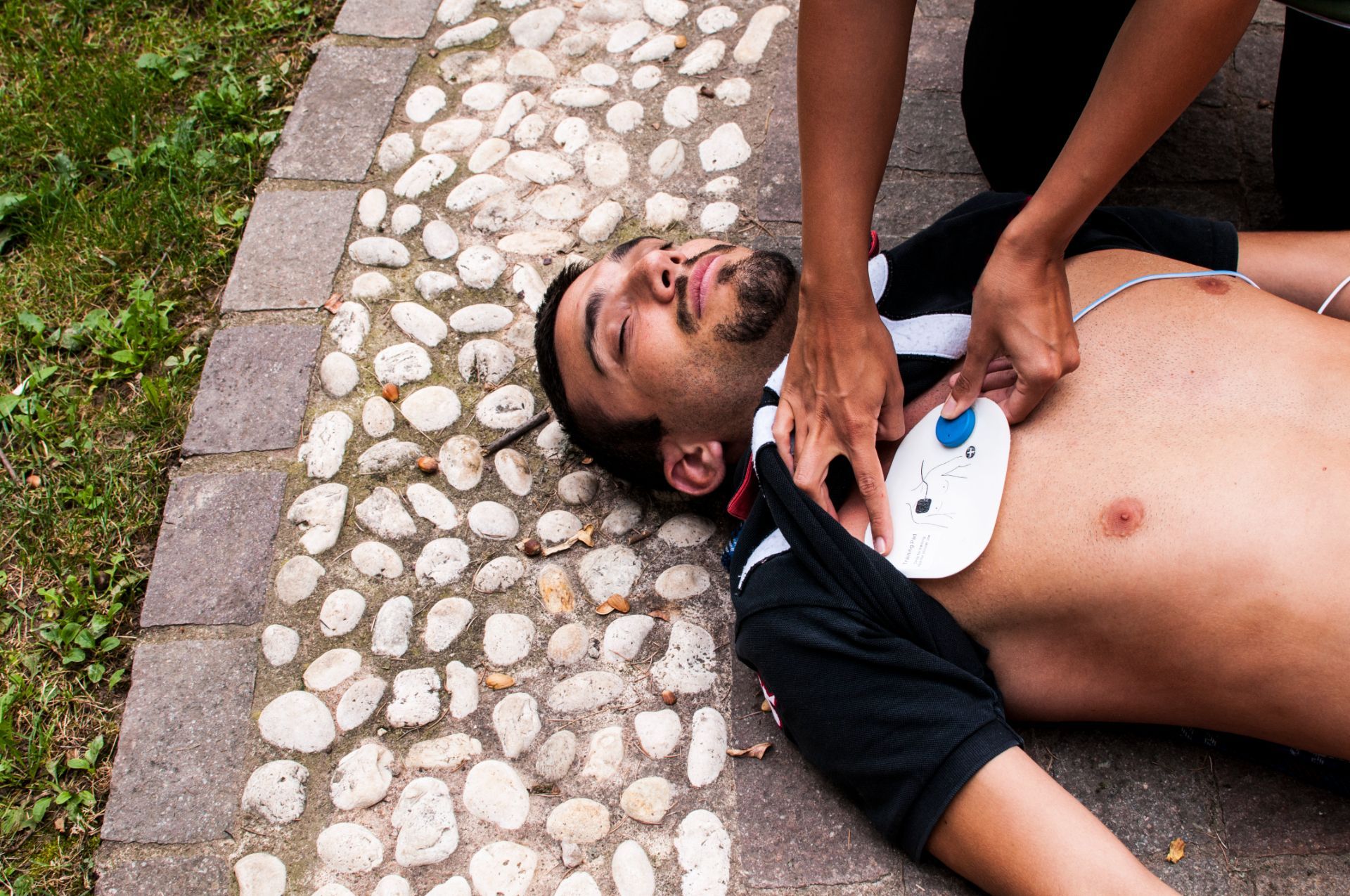
An AED is designed to be used by trained responders and lay rescuers. The device provides voice and visual prompts, analyzes the heart rhythm, and instructs the user if a shock is advised. CPR training helps students become familiar with AED placement, safety checks, and how AED use fits into the broader emergency response sequence.
For workplaces and public facilities, AED familiarity matters. Having an AED on-site is only part of preparedness. Staff should know where it is located, how to access it quickly, and how to use it as part of a coordinated response.
CPR Training for Workplaces and Groups
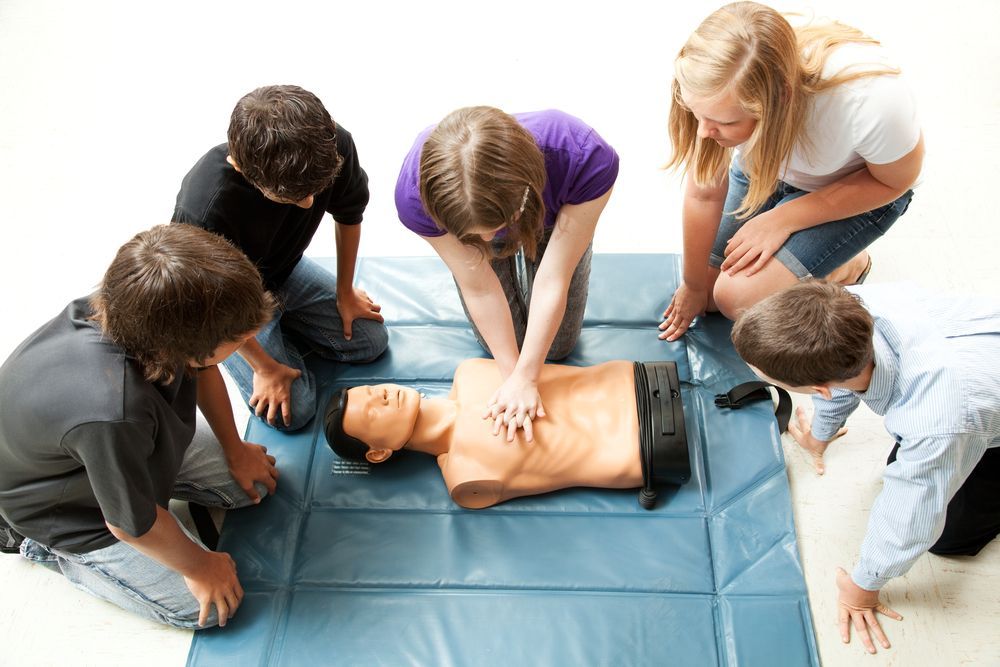
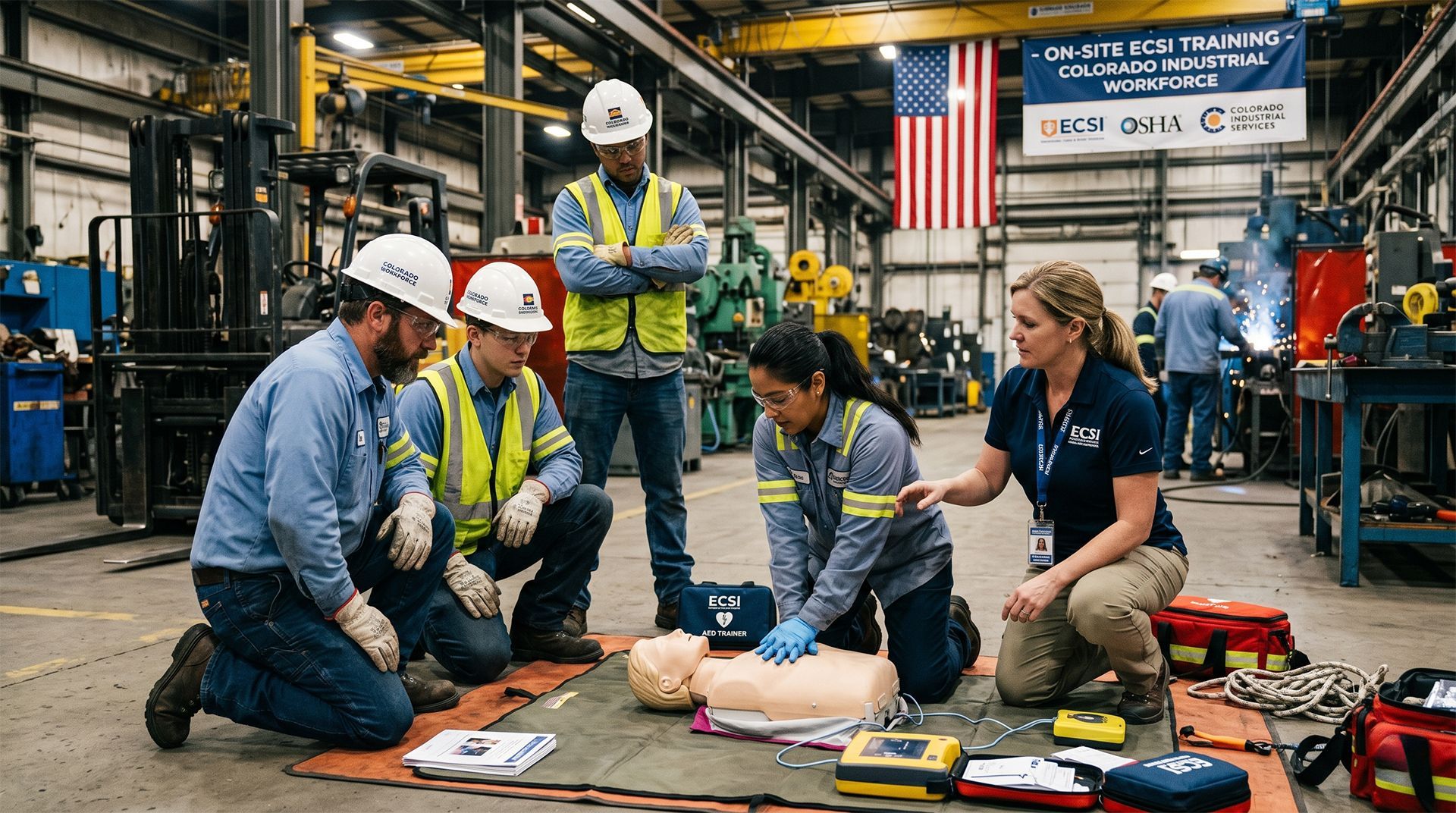
Workplace CPR training helps organizations prepare employees to respond to emergencies involving coworkers, customers, visitors, students, patients, or contractors. It is especially valuable for construction companies, industrial teams, schools, childcare programs, gyms, offices, medical-adjacent settings, and community organizations.
Group CPR training can also reduce scheduling barriers. Instead of sending employees to separate public classes, organizations can request on-site or group training that fits their team, schedule, and operational needs.
Rapid Rescue offers options for organizations that need on-site group CPR training or workplace-focused training. Teams that need ECSI-based workplace safety training can also review on-site ECSI training classes.
Common CPR Myths That Keep People From Acting
Misunderstandings about CPR can make people hesitate during emergencies. Training helps replace fear with clearer decision-making.
- Myth: Only medical professionals should perform CPR. Reality: Trained lay responders are often the first people available during an emergency.
- Myth: CPR always restarts the heart. Reality: CPR is intended to support circulation until advanced care is available; outcomes vary by situation.
- Myth: You should wait if you are unsure. Reality: If someone is unresponsive and not breathing normally, call 911 immediately and follow dispatcher instructions.
- Myth:
An AED is too complicated to use.
Reality: AEDs are designed to provide step-by-step prompts, and training helps users feel more comfortable with them.
Who Should Take a CPR Class?
CPR training is useful for a wide range of people, including parents, teachers, coaches, childcare providers, healthcare students, fitness professionals, construction supervisors, office teams, church volunteers, community leaders, and anyone who wants to be more prepared in an emergency. Some people take CPR classes because their employer requires certification. Others take them because they want to feel more capable if something happens at home or in public.
The best class depends on the learner’s role. Healthcare providers may need BLS or another required certification. Workplace teams may need CPR, AED, and First Aid training. Community members may need a class that focuses on practical response skills and confidence.
Request Group Training or Contact Rapid Rescue
Rapid Rescue CPR & Safety Training Solutions provides AHA-compliant CPR training for individuals, groups, and workplaces. Whether you need a certification course, a recertification option, on-site group training, or workplace emergency preparedness support, the team can help you choose the right class format.
To get started, request on-site group training, or contact Rapid Rescue to discuss workplace CPR training for your team.
Frequently Asked Questions
Why is CPR training important?
CPR training is important because it teaches people how to recognize an emergency, call 911, begin chest compressions, use an AED when available, and support the response until EMS arrives.
Does CPR guarantee survival?
No. CPR does not guarantee survival or a specific medical outcome. It may help maintain circulation and support the emergency response process until professional medical care is available.
What is the difference between CPR training and CPR certification?
CPR training refers to learning and practicing the skills. CPR certification usually means the student completed a recognized course and met the required course objectives.
Who needs workplace CPR training?
Workplace CPR training is useful for offices, schools, construction companies, industrial teams, gyms, childcare programs, medical-adjacent settings, and organizations that want stronger emergency preparedness.
Should CPR training include AED training?
Yes, CPR and AED training are commonly taught together because AED use is an important part of the Chain of Survival when a device is available.
Can Rapid Rescue train a group at our location?
Yes. Rapid Rescue offers on-site group training options for organizations that want CPR, AED, First Aid, or workplace-focused emergency response training.