What Should I Do If Someone Collapses and I’m Not CPR Certified?
Quick Answer
If someone collapses and is unresponsive, call 911 immediately, ask someone to get an AED, check for normal breathing, and begin Hands-Only CPR if the person is not breathing normally. If other bystanders are nearby, ask whether anyone is CPR certified or medically trained, but do not delay calling 911 or starting compressions while waiting for a trained person.
Step 1: Make Sure the Scene Is Safe
Before you approach the person, quickly scan the area for danger. Look for traffic, electrical hazards, fire, violence, unstable surfaces, water hazards, or anything else that could place you or others at risk. If the scene is unsafe, call 911 and wait for professional responders from a safe location.
If the area appears safe, move close to the person and prepare to check for responsiveness.
Step 2: Check Responsiveness
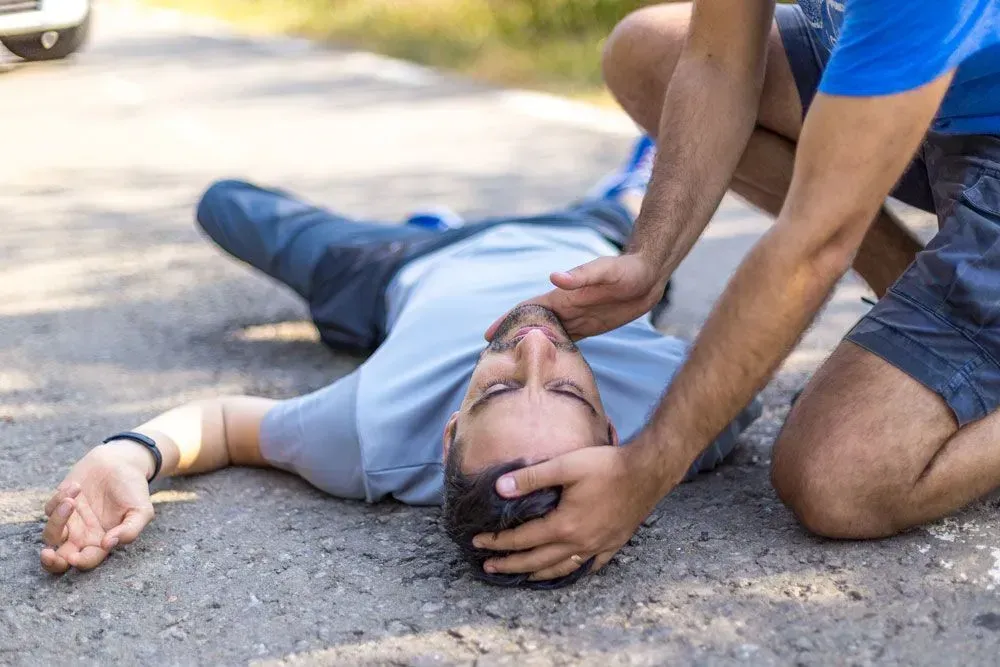
Tap the person firmly on the shoulders and speak loudly: “Are you okay?” Look for purposeful movement, eye opening, speech, or any clear response.
If the person does not respond, treat it as a serious emergency. Do not assume the person is sleeping, fainted, intoxicated, or simply resting.
Step 3: Call 911 and Direct Bystanders
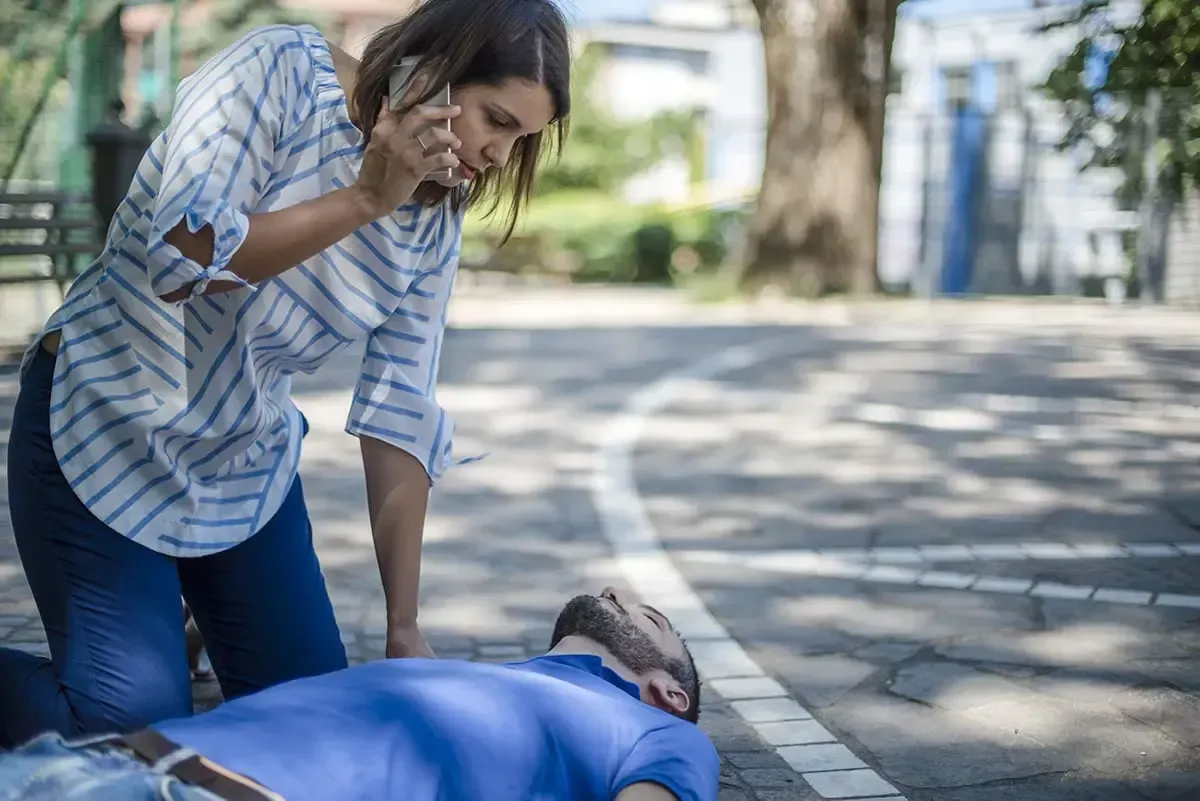
Call 911 immediately, or point to a specific person and tell them to call. Clear, direct instructions reduce confusion because crowds often assume someone else has already acted.
Useful phrases include:
- “You in the blue shirt, call 911 now.”
- “You by the door, find an AED and bring it back.”
- “Is anyone here CPR certified, medically trained, or comfortable starting compressions?”
If a trained person is present, they may be able to take over compressions, help operate the AED, or coordinate the response. If no trained person is available, stay on the phone with dispatch and begin dispatcher-assisted Hands-Only CPR if the person is not breathing normally.
Step 4: Check for Normal Breathing
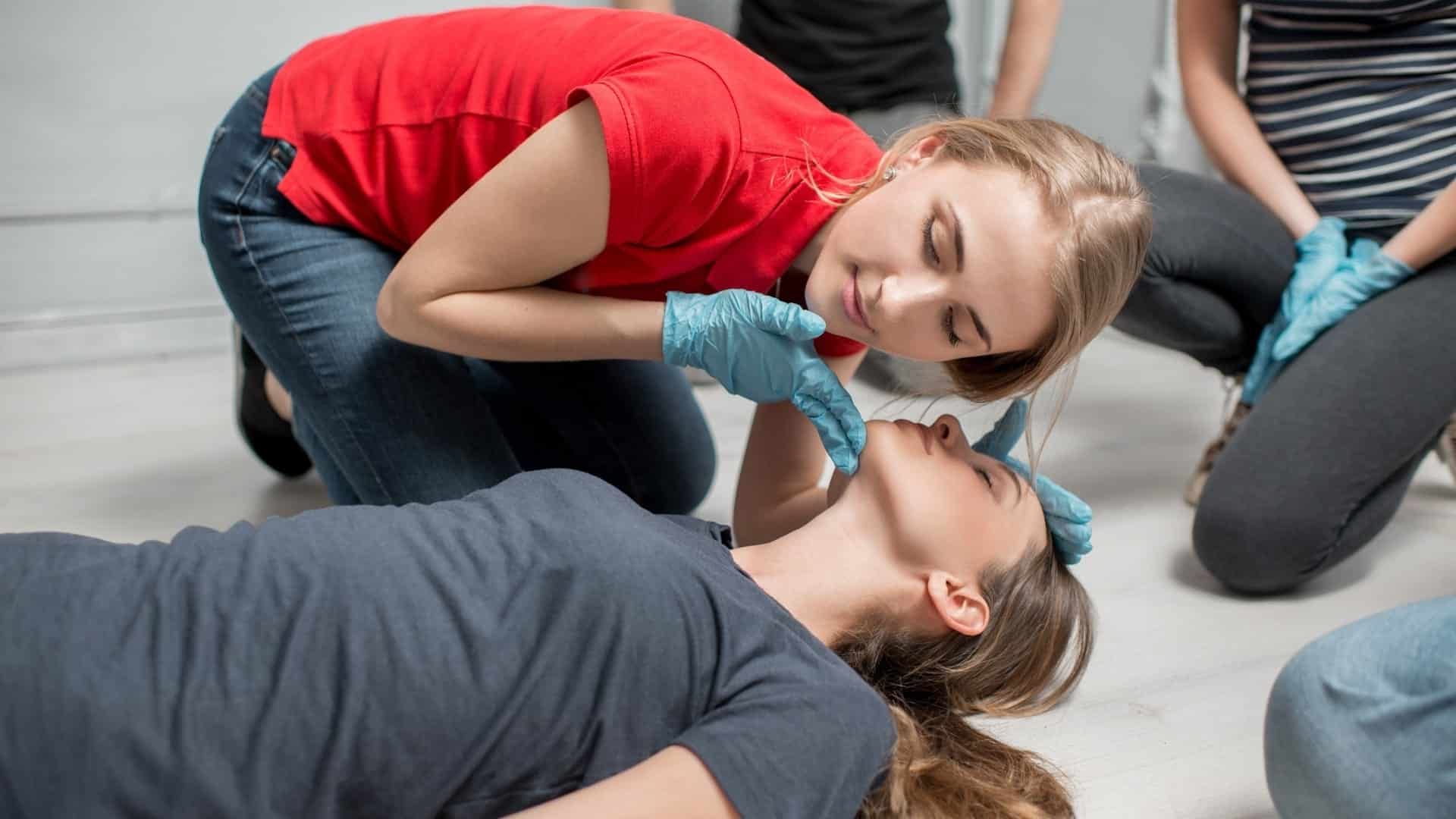
Look for normal breathing for no more than 10 seconds. Occasional gasping, snorting, shallow irregular breaths, or agonal breathing are not normal breathing. If the person is unresponsive and not breathing normally, begin Hands-Only CPR.
Do not spend time trying to find a pulse unless you are trained to do so. For most bystanders, the most important decision is whether the person is unresponsive and not breathing normally.
Step 5: Start Hands-Only CPR
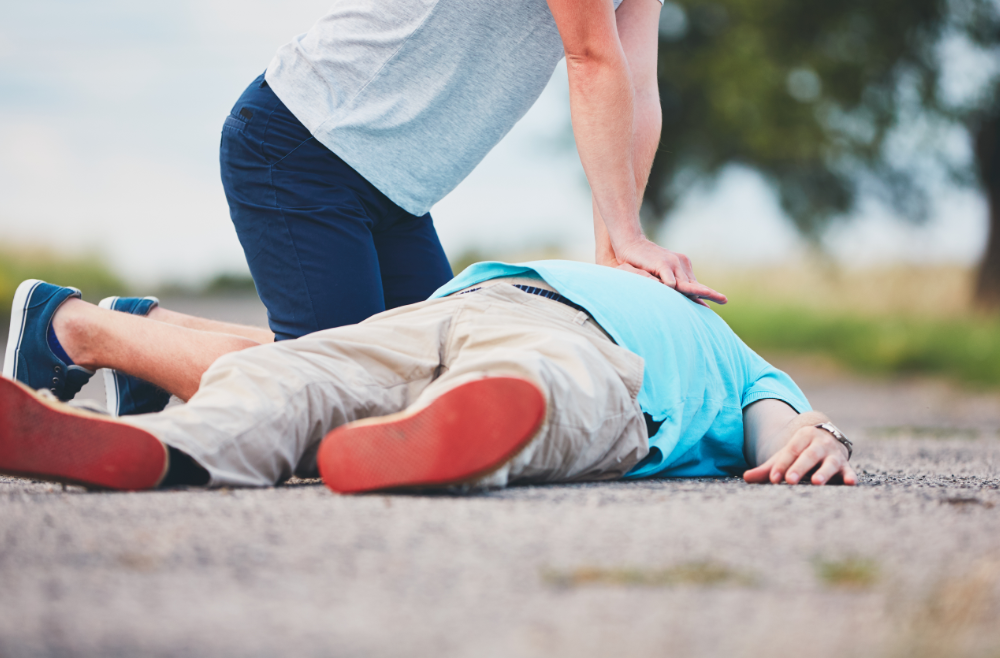
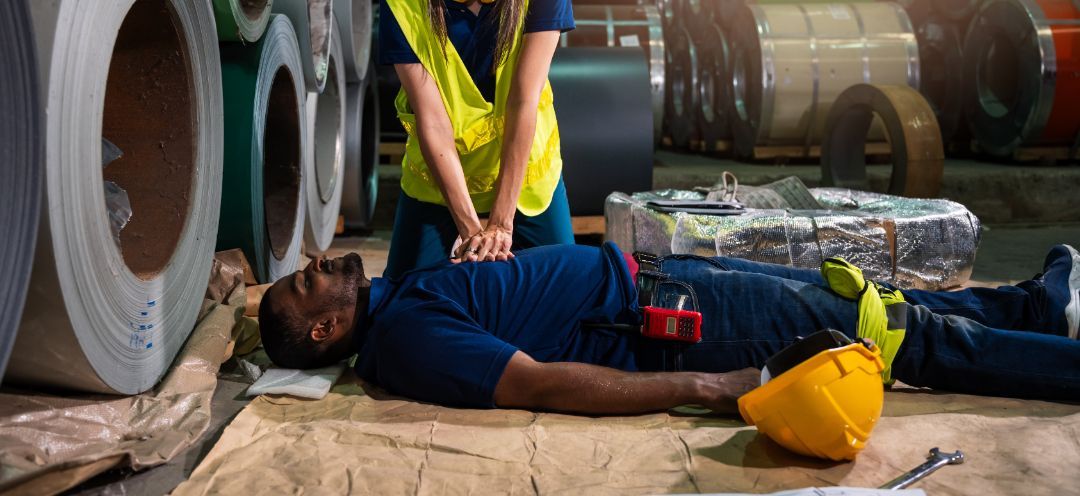
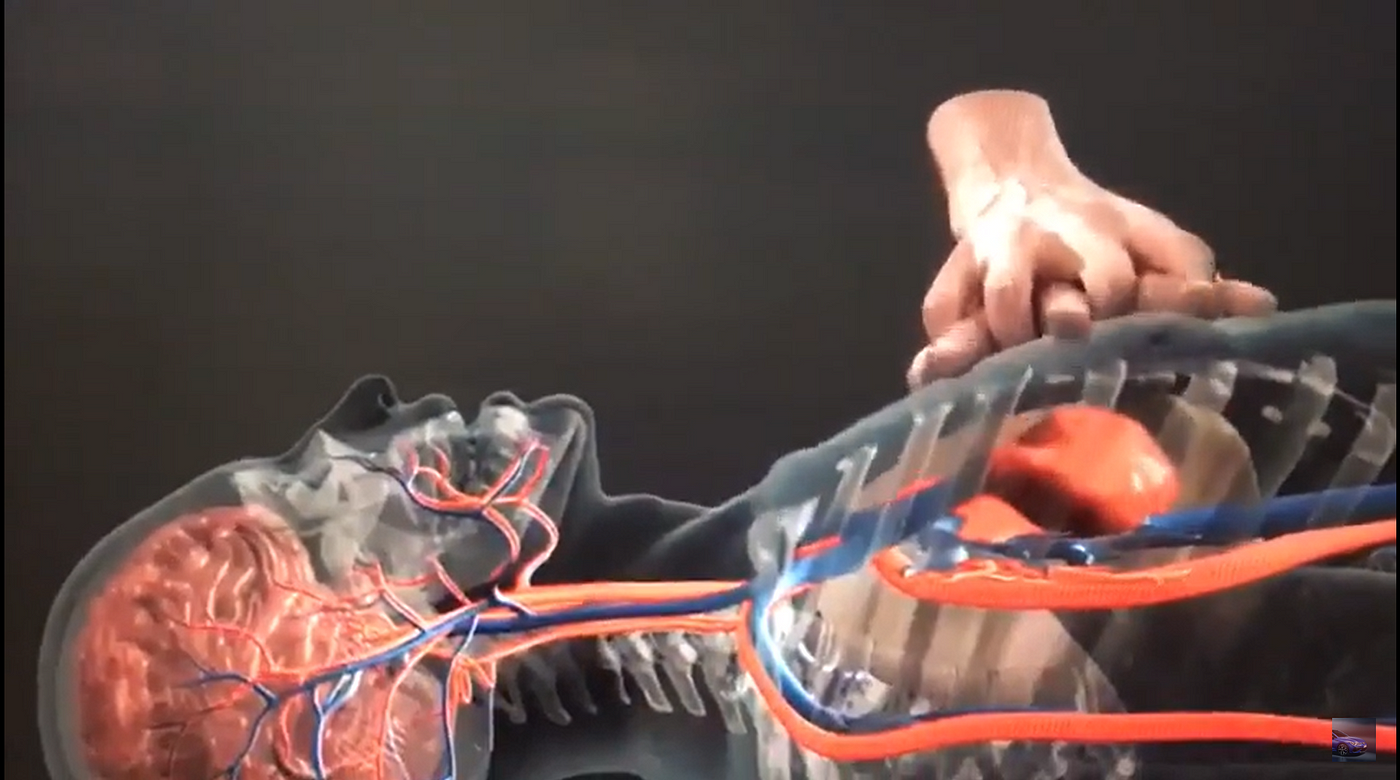
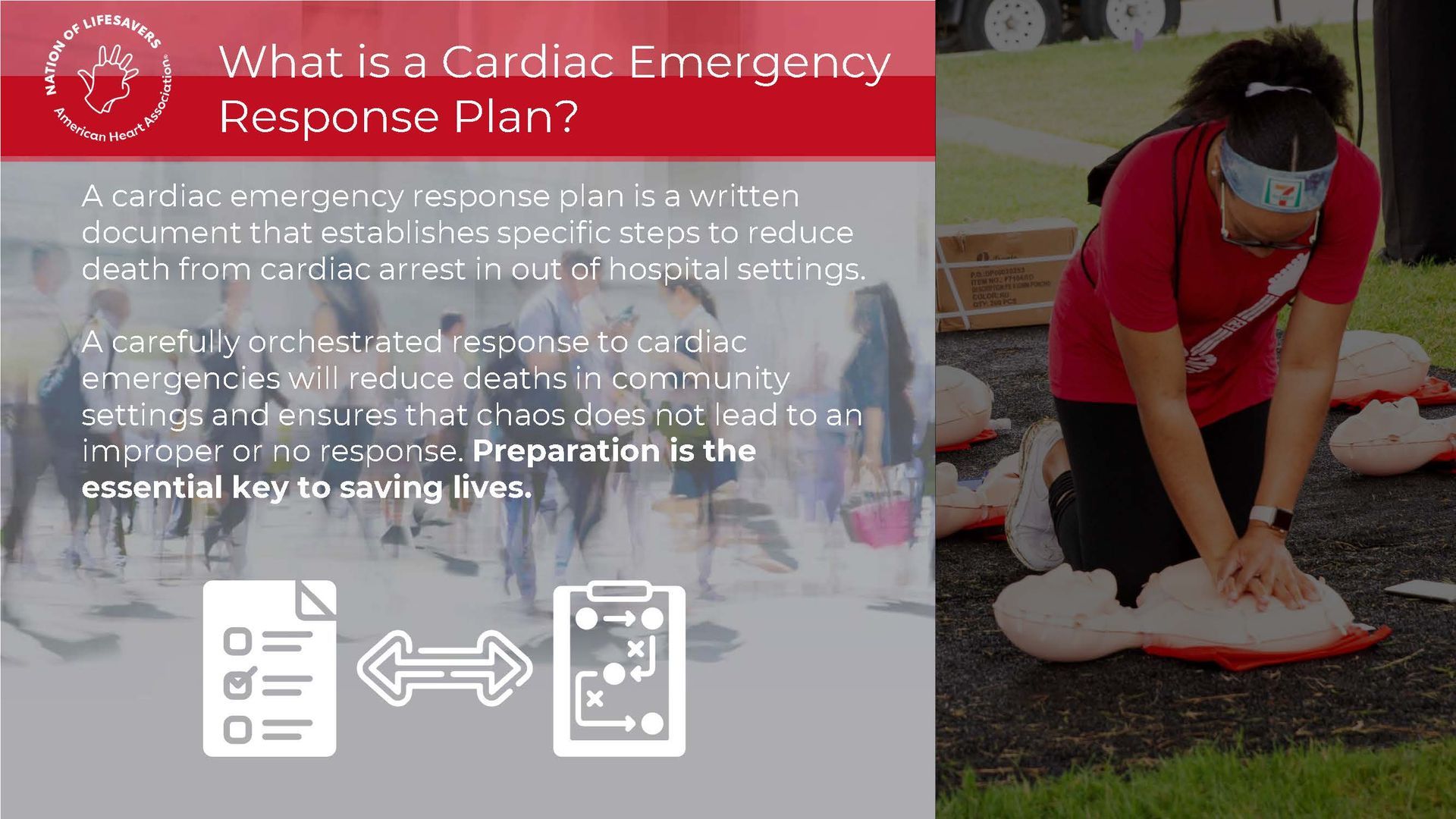
Hands-Only CPR is intended for teens and adults who suddenly collapse and are not breathing normally. Place the heel of one hand in the center of the chest, place your other hand on top, lock your elbows, and push hard and fast.
Aim for a steady rhythm of about 100 to 120 compressions per minute. Let the chest fully rise between compressions and try to minimize interruptions.
Continue compressions until an AED is ready to use, emergency responders take over, the person starts moving or breathing normally, or you are physically unable to continue.
Step 6: Use an AED as Soon as It Arrives
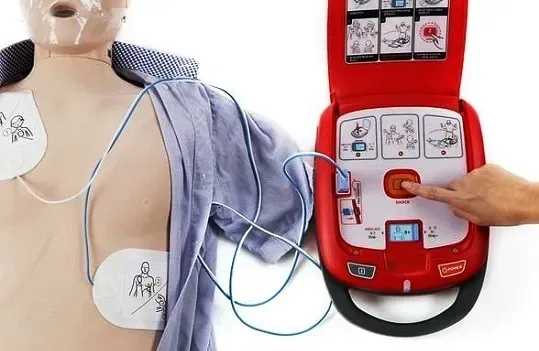
An Automated External Defibrillator, or AED, is designed to be used by the public. Turn it on and follow the voice and visual prompts. The AED will analyze the heart rhythm and tell you whether a shock is advised.
Do not be afraid to use an AED. The device will not deliver a shock unless it detects a shockable rhythm. Keep following the AED prompts and continue CPR when instructed.
What If the Person Is Breathing Normally?
If the person is unresponsive but breathing normally, call 911 and follow dispatcher's instructions. Keep monitoring breathing until EMS arrives. If breathing becomes abnormal or stops, begin Hands-Only CPR.
Do not give food, drink, or medication unless emergency dispatchers or medical responders specifically instruct you to do so.
What If the Person Is Choking?
If the person is conscious and choking, encourage coughing if they can cough forcefully. If they cannot breathe, speak, or cough effectively, call 911 and follow dispatcher instructions. CPR and choking response are different emergency skills, which is one reason formal CPR and First Aid training is strongly recommended.
Common Misconceptions
“I might make it worse.”
During suspected cardiac arrest, doing nothing is more dangerous than attempting chest compressions. Dispatchers can guide you step by step.
“Only certified people can help.”
Certification is valuable, but it is not required to call 911, retrieve an AED, follow dispatcher instructions, or perform Hands-Only CPR in an emergency.
“AEDs are only for medical professionals.”
AEDs are built for public use. They provide instructions and are designed to analyze the heart rhythm before recommending a shock.
Why CPR Certification Still Matters
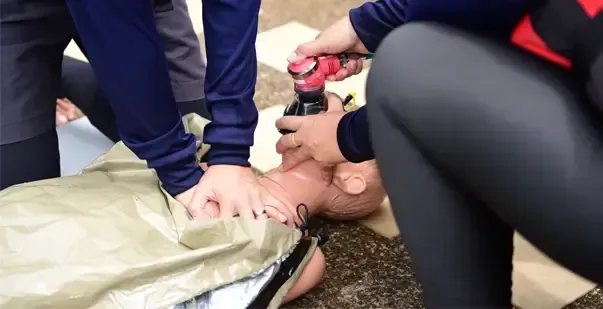
Even though you can help without being certified, CPR training builds confidence and helps people respond faster and more effectively. A CPR and First Aid class can teach adult, child, and infant CPR, AED use, choking response, basic First Aid, and how to work as part of an emergency response team.
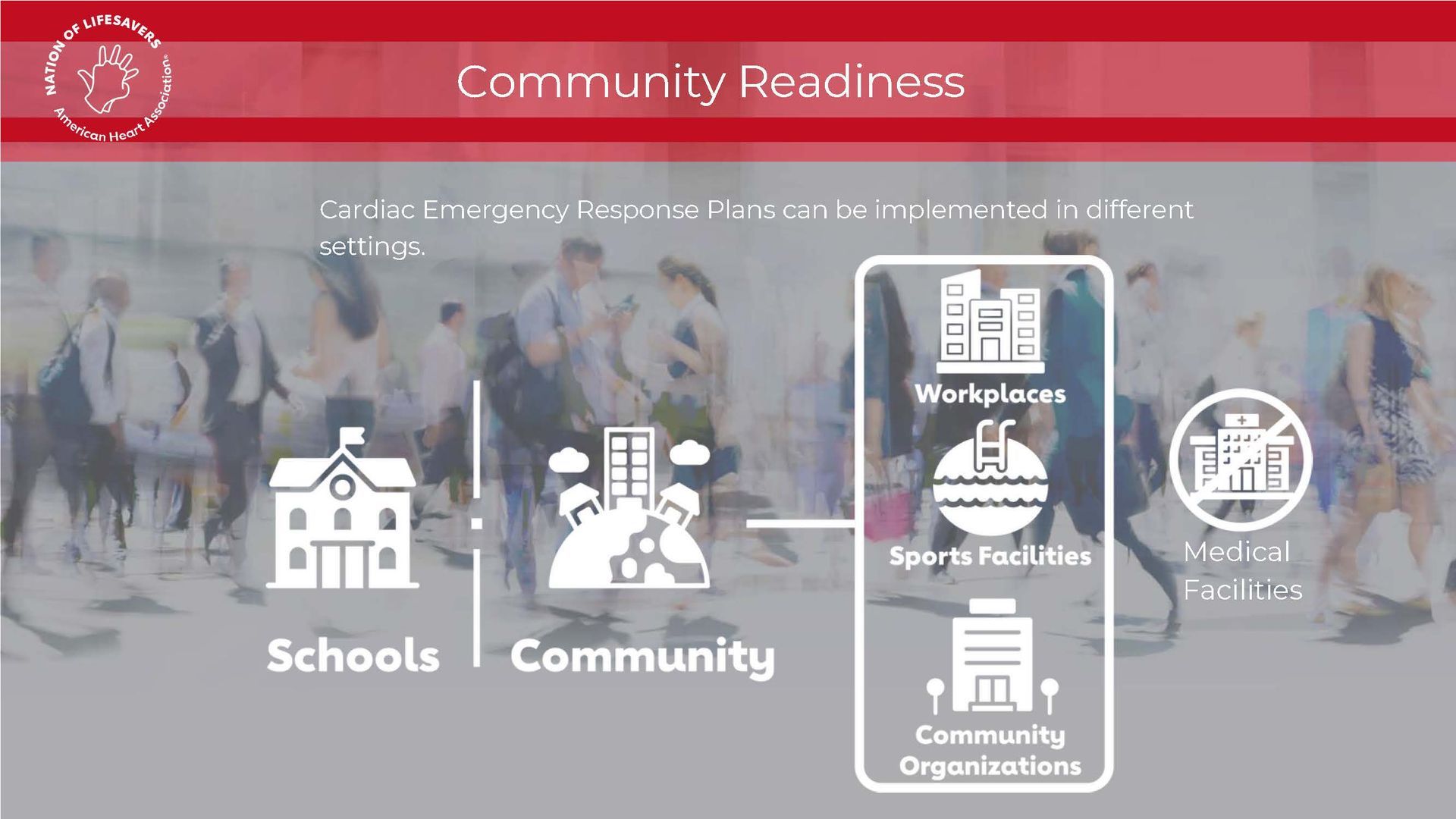
For workplaces, schools, childcare settings, healthcare teams, construction crews, gyms, and community organizations, training also supports safer emergency planning and clearer response roles.
How to Prepare Before an Emergency
- Know where AEDs are located at work, school, gyms, churches, and community spaces.
- Save emergency contacts and location information where staff or family members can find them.
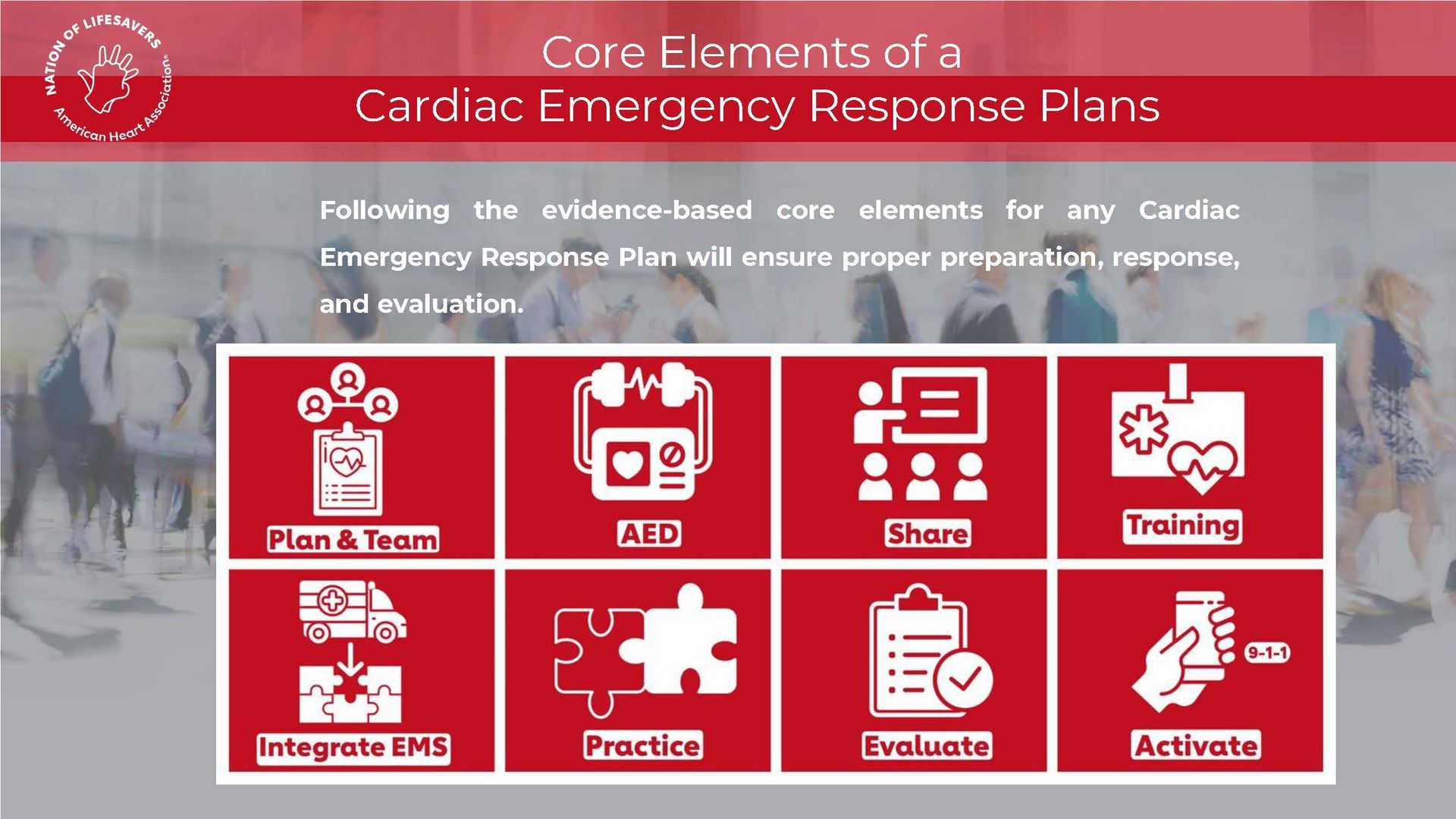
- Review emergency response plans with your team.
- Schedule CPR, AED, and First Aid training before an emergency happens.
Should I ask whether anyone nearby is CPR certified?
Yes. Ask clearly, but do not delay emergency action. Call 911, get an AED, and start Hands-Only CPR if the person is unresponsive and not breathing normally.
Can I perform CPR if I am not certified?
Yes. Emergency dispatchers can guide untrained bystanders through Hands-Only CPR for a teen or adult who suddenly collapses and is not breathing normally.
Should I do mouth-to-mouth breathing?
Untrained bystanders are commonly guided to perform Hands-Only CPR for adult sudden collapse. Rescue breathing is taught in formal CPR classes and may be important in certain situations, including children, infants, drowning, or respiratory emergencies. Follow dispatcher instructions.
What should I say when calling 911?
Give the location, describe what happened, state whether the person is responsive and breathing normally, and follow the dispatcher’s instructions. Put the phone on speaker if possible so your hands are free.
Frequently Asked Questions
If someone collapses and you are not CPR certified, your actions still matter. Make sure the scene is safe, check responsiveness, call 911, ask bystanders for help, request an AED, check for normal breathing, and begin Hands-Only CPR when appropriate.
The goal is not perfection. The goal is fast action.
CPR training gives you the confidence and hands-on practice to respond more effectively when every second matters.