How Long Should You Perform CPR?
When someone suddenly collapses and becomes unresponsive, panic can set in quickly. One of the most common questions people ask during CPR training is:
When is it appropriate to stop CPR during an emergency?
The short answer is simple: continue CPR until emergency responders take over, the person shows clear signs of life, an AED instructs you to stop, the scene becomes unsafe, or you are physically unable to continue.
There is no universal “time limit” for CPR. In some emergencies, CPR may only last a few minutes before EMS arrives. In other situations, rescuers may need to continue longer depending on response times, the person’s condition, and the availability of additional trained responders.
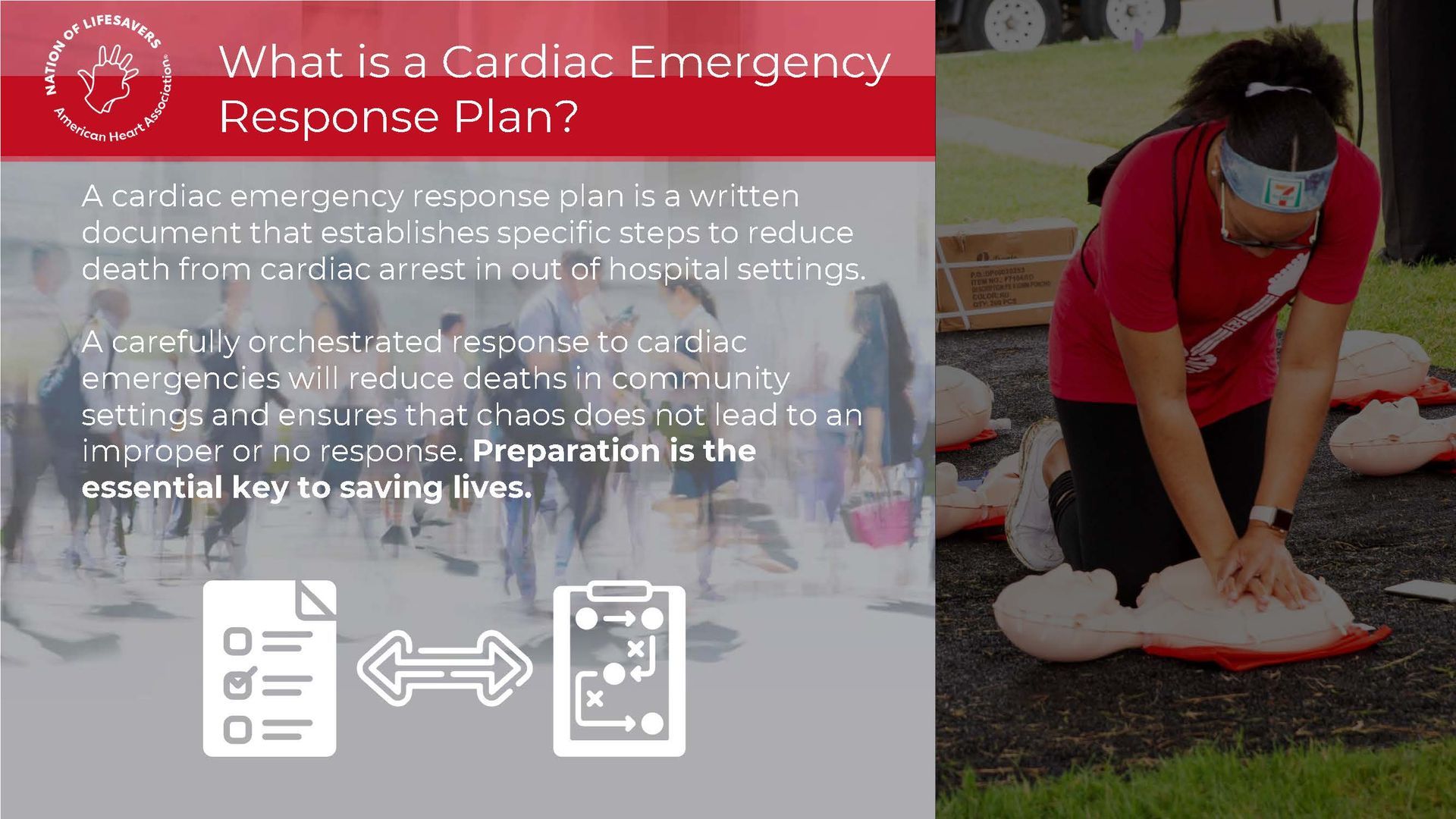
According to the American Heart Association (AHA), immediate action, high-quality chest compressions, early 911 activation, and rapid AED use remain the foundation of effective bystander response.
Why CPR Duration Matters
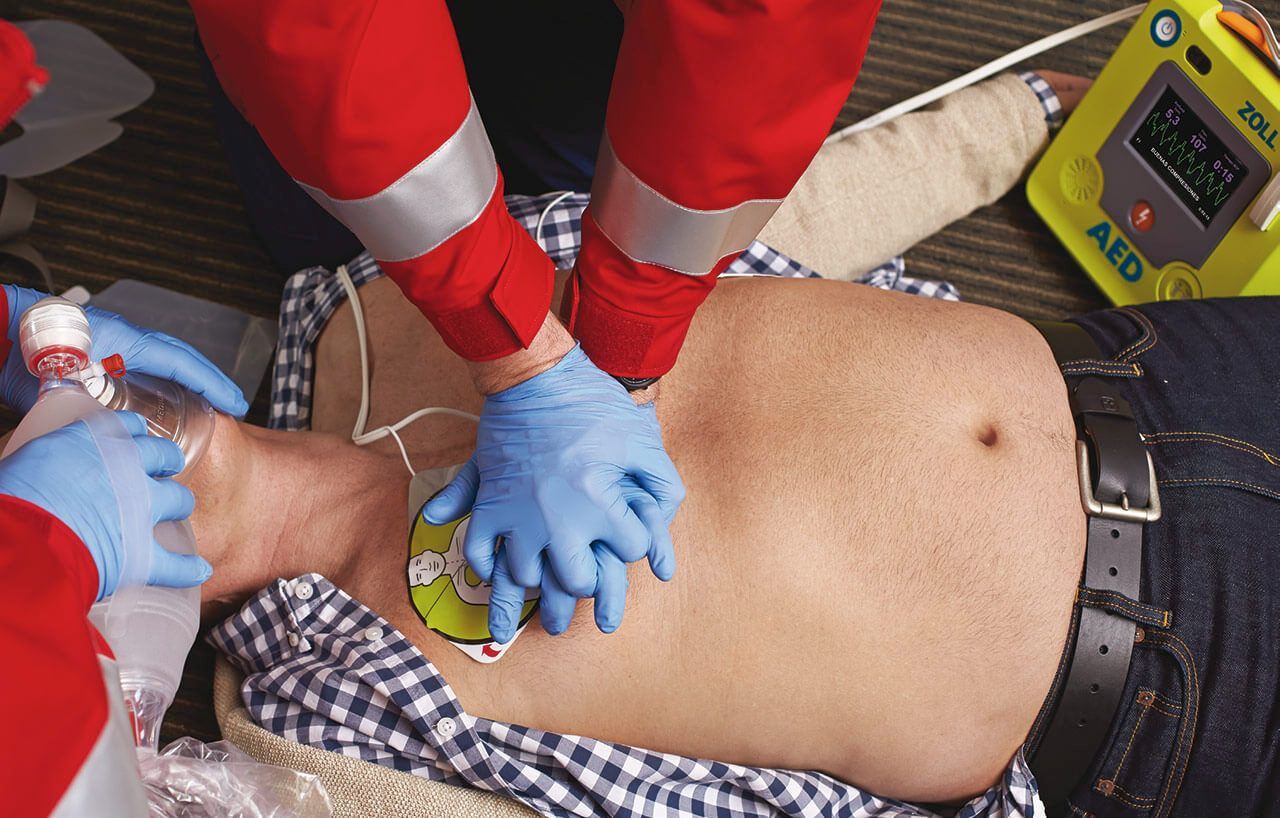
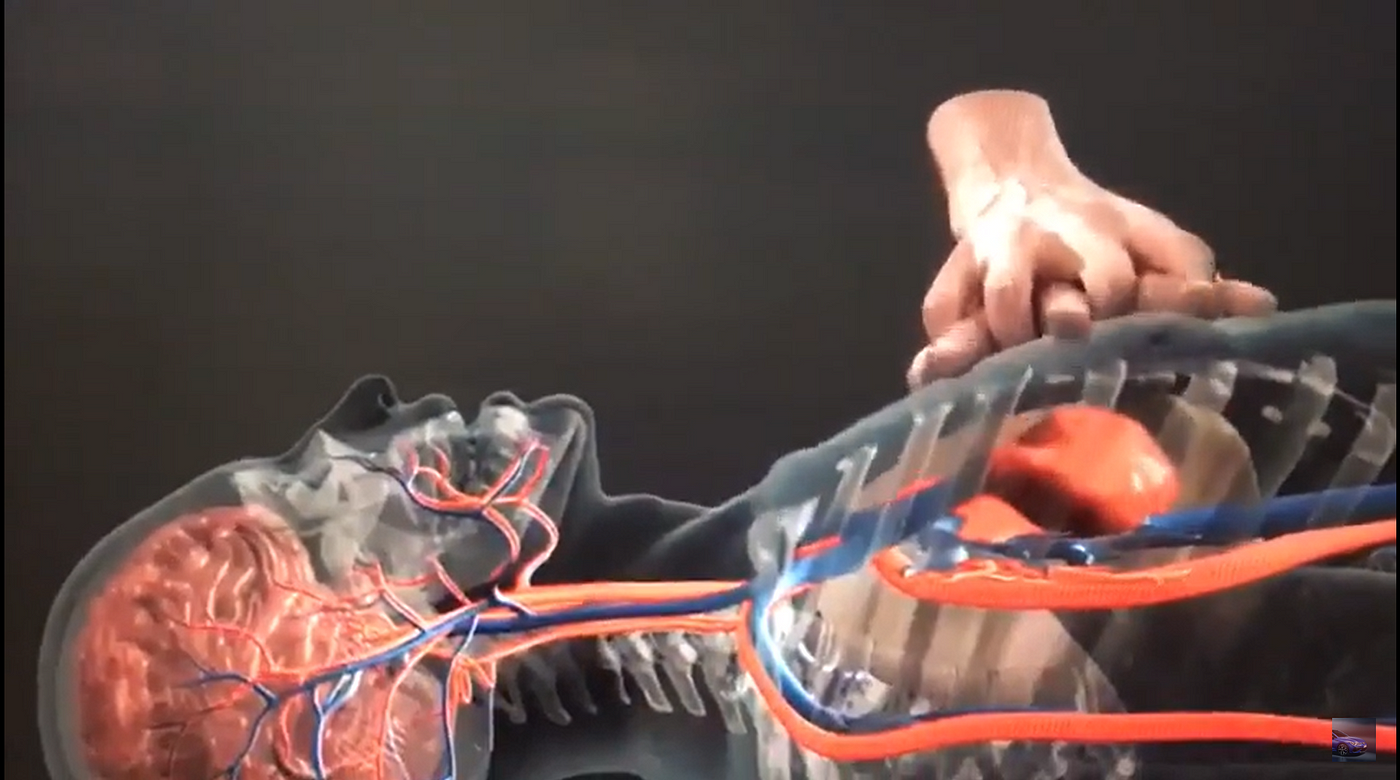
CPR, or cardiopulmonary resuscitation, is designed to help maintain blood circulation to the brain and vital organs during cardiac arrest. CPR itself does not typically restart the heart. Instead, it helps buy time until advanced medical care and defibrillation are available.
This is why continuing CPR matters.
When CPR is delayed, interrupted too often, or stopped too early, blood flow to the brain and other organs can decrease significantly. Modern CPR training strongly emphasizes:
- Immediate action
- High-quality chest compressions
- Minimal interruptions
- Early AED use
- Continuous care until EMS arrives
The AHA continues to reinforce that rapid bystander response can improve survival outcomes in some cardiac emergencies.
What To Do If Someone Suddenly Collapses
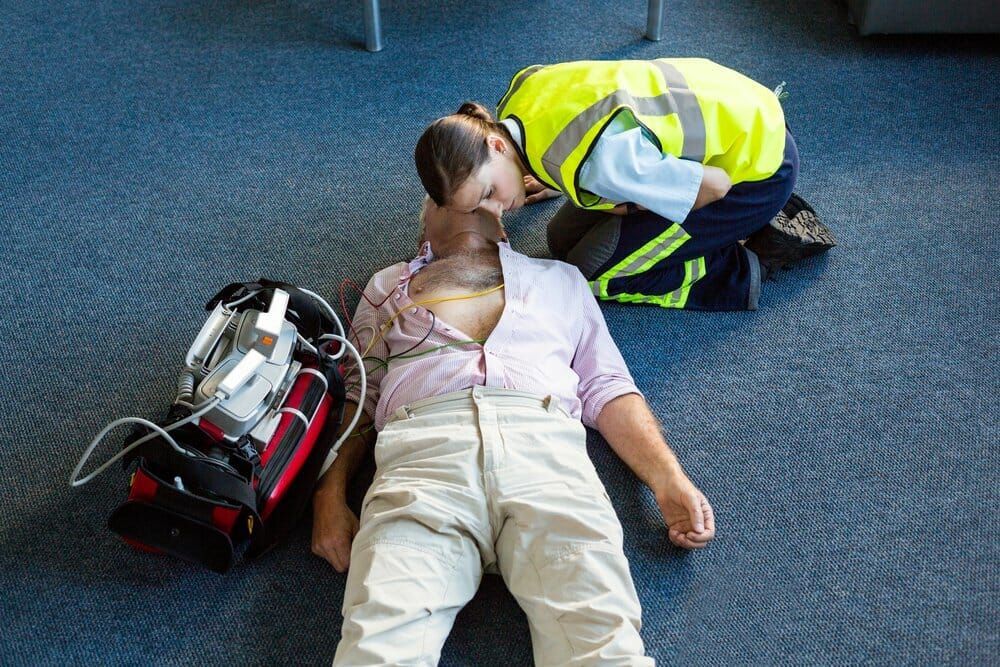
If someone becomes unresponsive and is not breathing normally:
- Check for responsiveness and normal breathing.
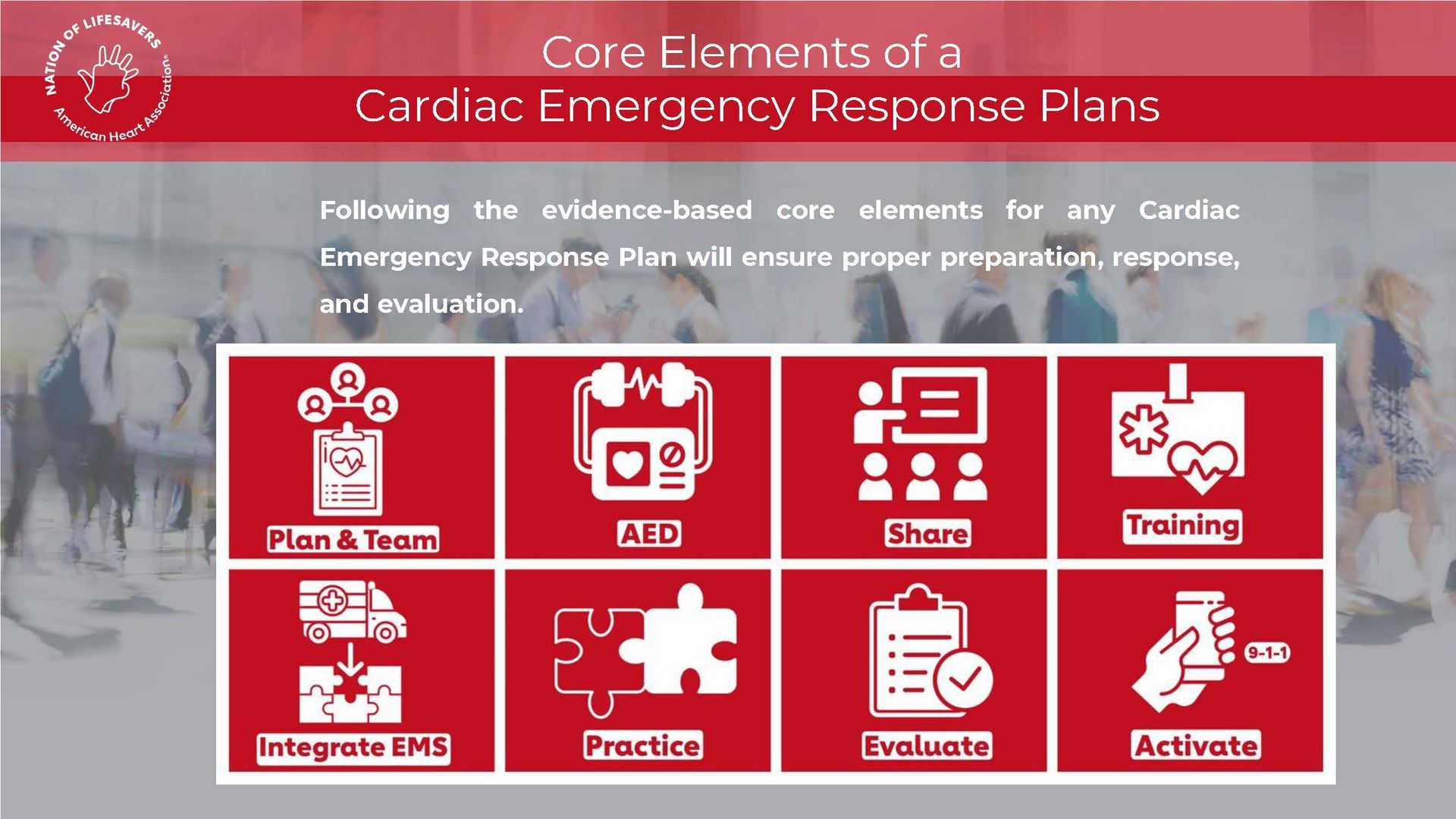
- Call 911 immediately or direct someone else to call.
- Begin chest compressions right away.
- Push hard and fast in the center of the chest.
- Use an AED as soon as one becomes available.
- Continue CPR until help arrives or the person responds.
These emergency response priorities align with current AHA public CPR education guidance.
How Fast Should CPR Compressions Be?
Modern CPR guidelines recommend chest compressions at a rate of:
100 to 120 compressions per minute
This rate helps balance circulation and chest recoil. Studies referenced by the AHA show that compressions that are too slow may reduce circulation, while compressions that are too fast may reduce compression depth and chest recoil effectiveness.
The AHA also emphasizes:
- Compressing hard and fast
- Allowing full chest recoil
- Minimizing interruptions
- Maintaining consistent compression quality
How Deep Should CPR Compressions Be?
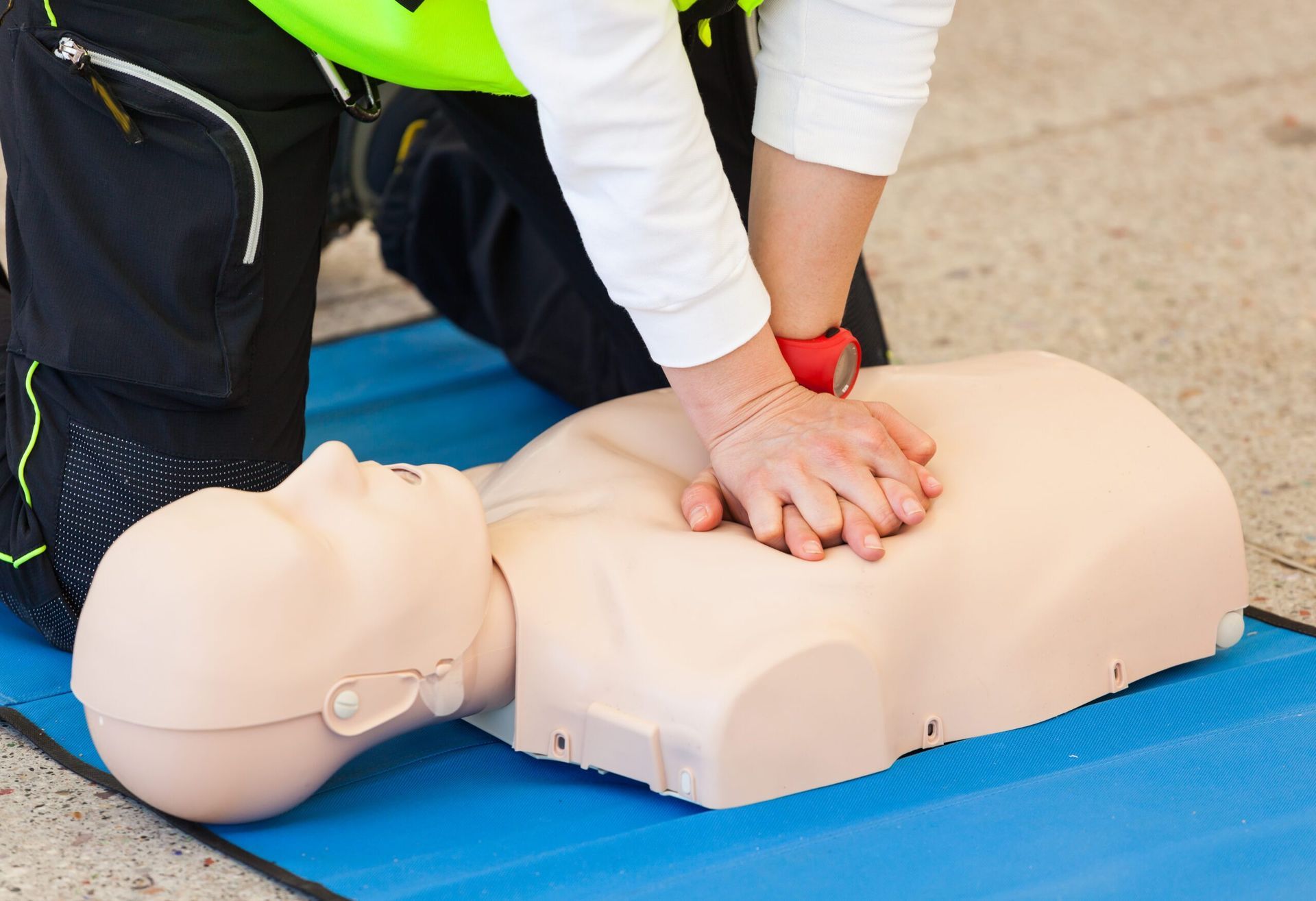
For adults, CPR compressions should generally be:
Compression depth 2 inches
The chest should fully rise between compressions to help the heart refill with blood before the next compression.
Many people are surprised by how physically demanding CPR can be. Proper compressions require consistent force, correct positioning, and sustained effort. This is one reason why hands-on CPR training is important for building confidence and muscle memory.
When Should You Stop Performing CPR?
CPR should continue until one of the following occurs:
- The person starts breathing normally or regains consciousness.
- Emergency medical responders take over.
- Another trained rescuer replaces you.
- An AED instructs you to stop temporarily for rhythm analysis.
- The environment becomes unsafe.
- You become physically unable to continue.
The AHA notes that CPR should continue until advanced responders arrive or the person begins moving or breathing normally.
Importantly, rescuers should not stop CPR simply because several minutes have passed without visible improvement.
Hands-Only CPR vs. Traditional CPR
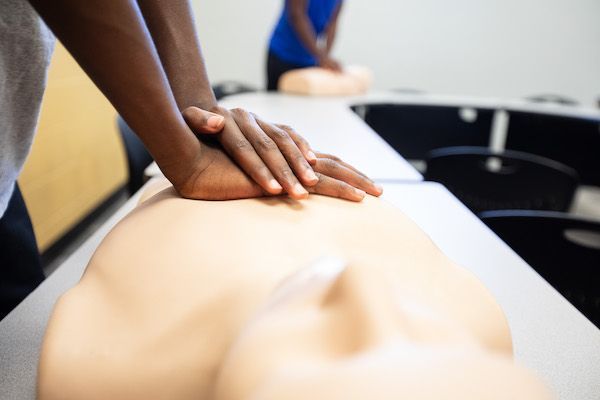
For adults who suddenly collapse outside of a hospital setting, the AHA continues to support Hands-Only CPR for untrained bystanders. Hands-Only CPR focuses on:
- Calling 911
- Performing continuous chest compressions
Hands-Only CPR is intended to reduce hesitation and encourage more people to act during emergencies.
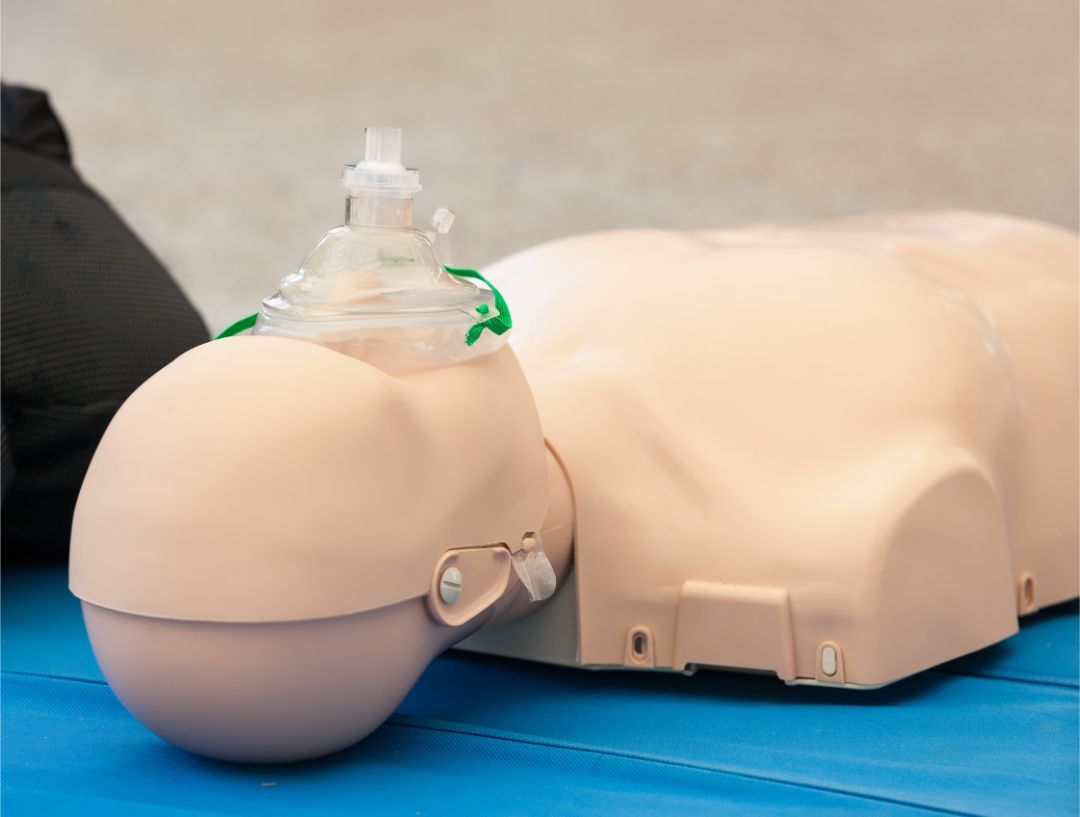
Traditional CPR with rescue breaths may still be appropriate in:
- Pediatric emergencies
- Drowning incidents
- Respiratory emergencies
- Situations involving trained rescuers
Why AED Use Is Critical During CPR
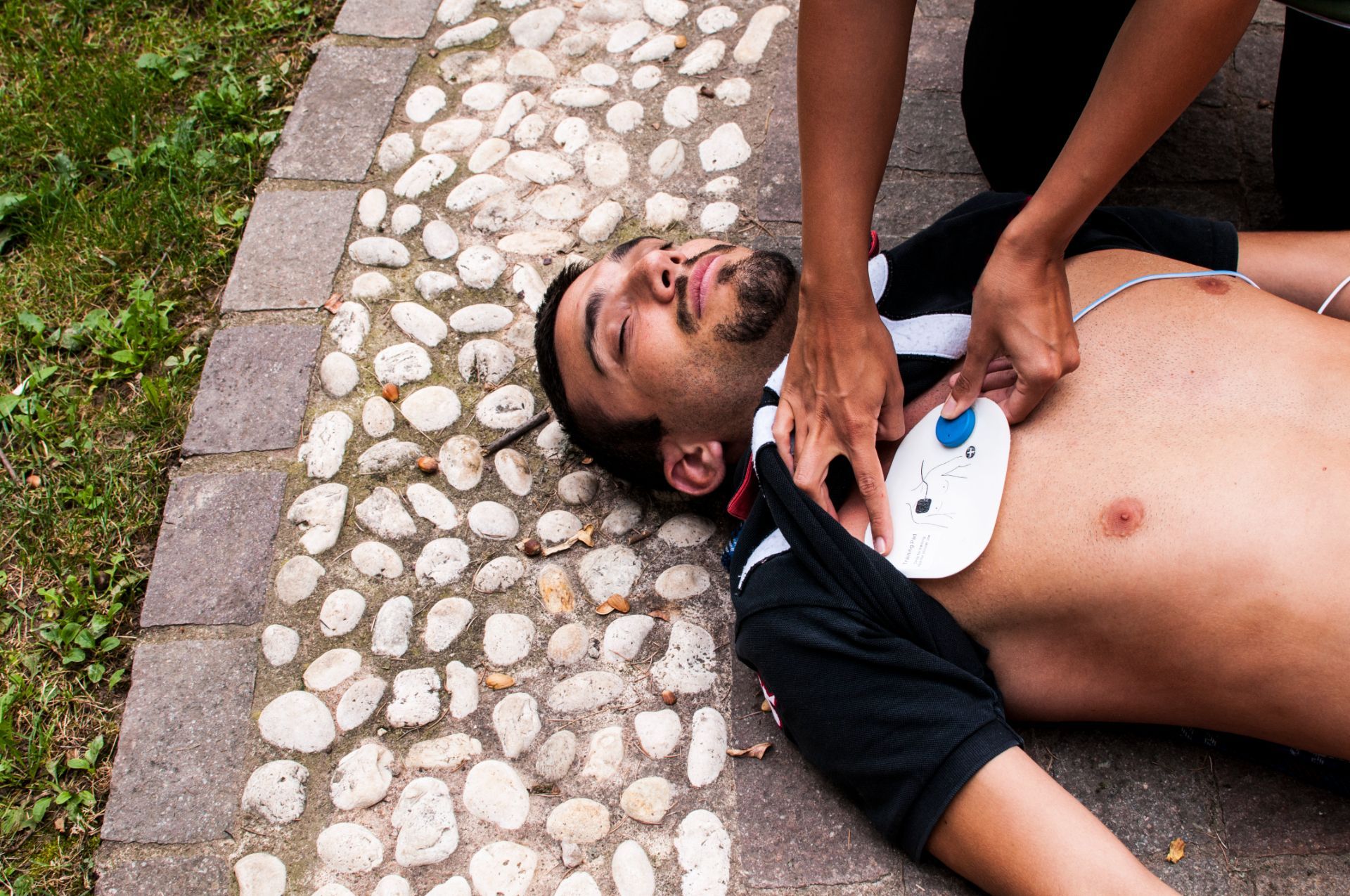
An automated external defibrillator (AED) analyzes the heart rhythm to determine whether a shock is needed.
The AHA strongly emphasizes early AED access during cardiac arrest response.
If an AED becomes available:
- Turn it on immediately.
- Follow the voice prompts.
- Continue CPR when instructed.
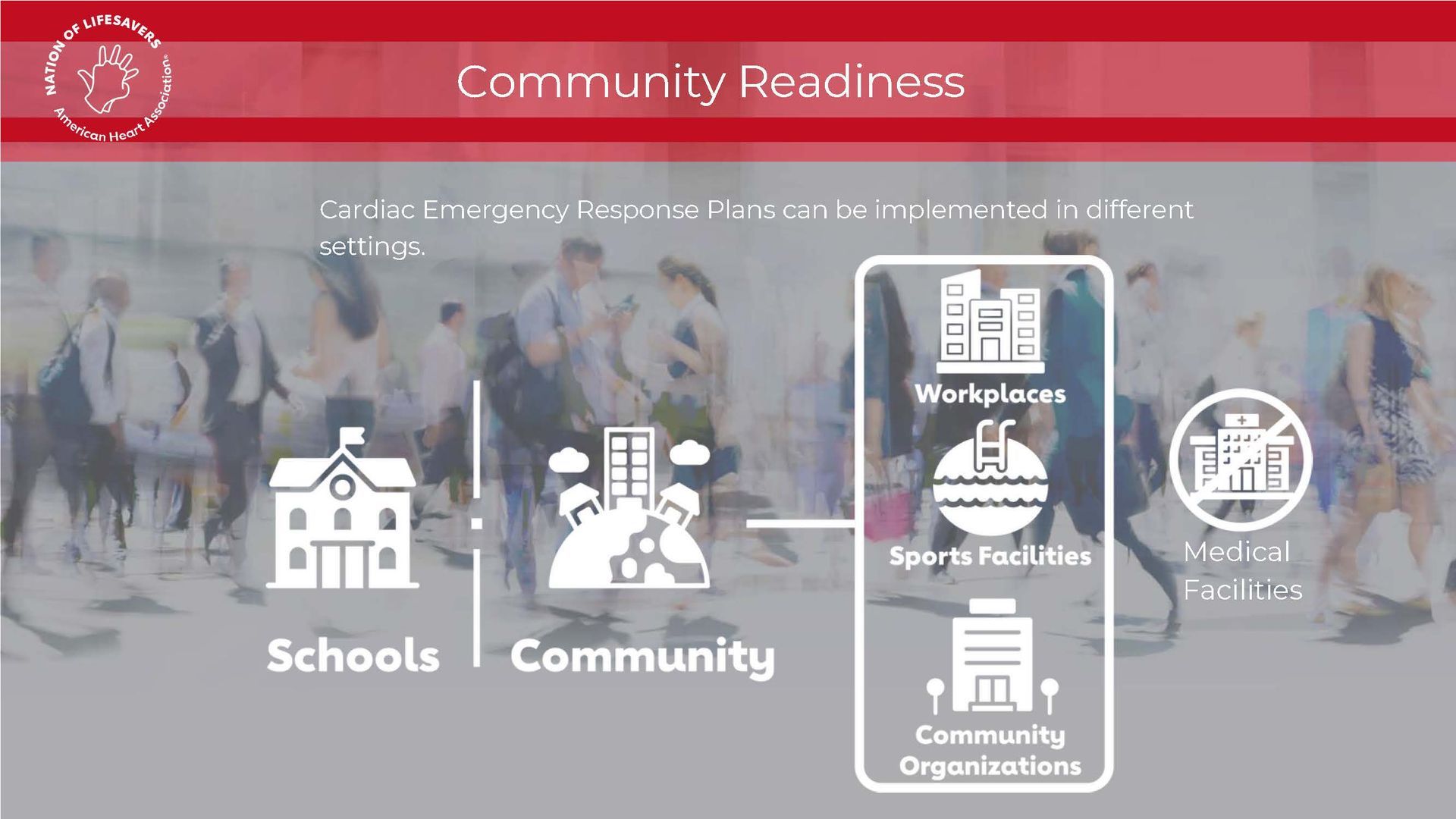
AEDs are designed to guide rescuers step-by-step and are intended for public use in workplaces, schools, gyms, airports, churches, and community facilities.
Why CPR Sometimes Lasts Longer
Some emergencies require prolonged CPR efforts due to:
- Delayed EMS response times
- Rural locations
- Large facilities or campuses
- Drowning incidents
- Opioid overdose emergencies
- Cold-water submersion
- Workplace or industrial incidents
Regardless of the situation, bystanders should focus on:
- Calling 911
- Starting CPR quickly
- Using an AED
- Continuing care until help arrives
CPR techniques vary depending on the age of the person receiving care.
For adults:
- Two hands are typically used for compressions.
- Hands-Only CPR may be appropriate for untrained bystanders.
For children:
- Compression depth and hand placement differ from adults.
- Rescue breaths may play a more significant role.
For infants:
- Specialized compression techniques are used.
- Proper training is strongly recommended due to the anatomical differences involved.
Why CPR Training Matters
Reading about CPR online can help you understand the basics, but hands-on instruction remains one of the best ways to develop practical emergency response skills.
A CPR course helps students learn:
- Compression depth and rate
- AED operation
- Rescue breathing techniques
- Scene safety
- Team response
- Emergency decision-making
- Pediatric CPR differences
CPR training is especially valuable for:
- Parents and caregivers
- Teachers and school staff
- Coaches
- Construction workers
- Healthcare providers
- Fitness instructors
- Workplace safety teams
- Community volunteers
CPR Training with Rapid Rescue CPR & Safety Training Solutions
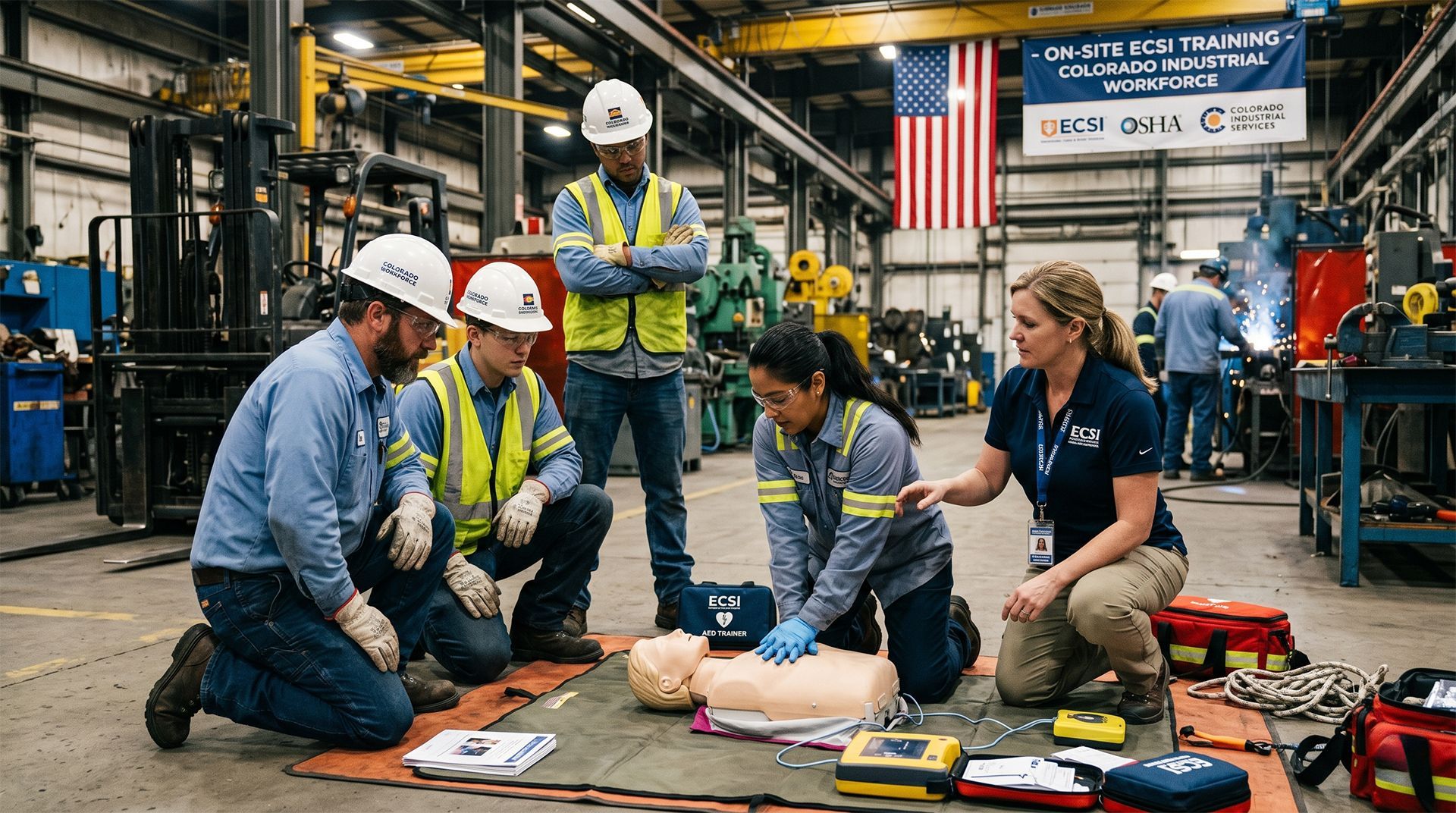
Rapid Rescue CPR & Safety Training Solutions provides CPR, AED, First Aid, and BLS training for individuals, workplaces, schools, healthcare providers, and community organizations.
Our courses focus on practical emergency response skills designed to help students respond with greater confidence during real-world emergencies. Whether you need
CPR certification for work requirements or want to feel more prepared at home or in public settings, professional training can help build confidence and readiness.
Final Takeaway
So, how long should you perform CPR?
Continue CPR until:
- The person shows signs of life,
- EMS or another trained responder takes over,
- An AED instructs you to pause,
- The scene becomes unsafe,
- Or you are physically unable to continue.
In a cardiac emergency, immediate action matters. Call 911, begin compressions quickly, use an AED if available, and continue providing care until help arrives.
Frequently Asked Questions
How long should CPR be performed?
CPR should continue until the person responds, EMS takes over, an AED instructs you otherwise, the scene becomes unsafe, or you cannot continue physically.
Do you stop CPR after 2 minutes?
No. Two minutes is commonly used as a rotation point between rescuers to reduce fatigue, not a stopping point for CPR.
Can CPR be performed too long?
Bystanders should generally continue CPR as long as the environment is safe and they are physically able to continue, unless the person recovers or advanced responders take over.
What if I am not CPR certified?
For adults who suddenly collapse, the AHA supports Hands-Only CPR for untrained bystanders. This includes calling 911 and performing chest compressions until help arrives.
Should you use an AED during CPR?
Yes. AEDs should be used as soon as they become available. Follow the voice prompts and continue CPR when instructed.
Medical Disclaimer
This article is for general educational purposes only and does not replace hands-on CPR training, emergency medical care, or instructions from a 911 dispatcher or licensed medical professional. In an emergency, call 911 immediately and follow dispatcher instructions.