Heat-Related Illness in Colorado: How to Prevent It and Respond at Home and at Work
Colorado's dry air, intense sun, and high elevation create a heat risk that many residents underestimate. Even on days that don't feel like classic “heat wave” weather, the combination of altitude, low humidity, and strong UV exposure along the Front Range can push the body toward heat exhaustion or heat stroke faster than people expect — whether they're working a jobsite in Aurora, coaching a summer practice in Denver, or hiking above 8,000 feet.
At Rapid Rescue CPR & Safety Training Solutions, we teach CPR, First Aid, and workplace safety courses across the Denver metro area as an AHA Authorized Training Site and an authorized ECSI Education Center. This guide walks through what causes heat-related illness, how to prevent it in both personal and workplace settings, and — most importantly — what to do if you see it happening to someone else.
This article is for general education. It is not a substitute for professional medical care or hands-on emergency response training, and it is not legal or regulatory compliance advice. If you or someone near you shows signs of a heat emergency, call 911 right away.
What Causes Heat-Related Illness?
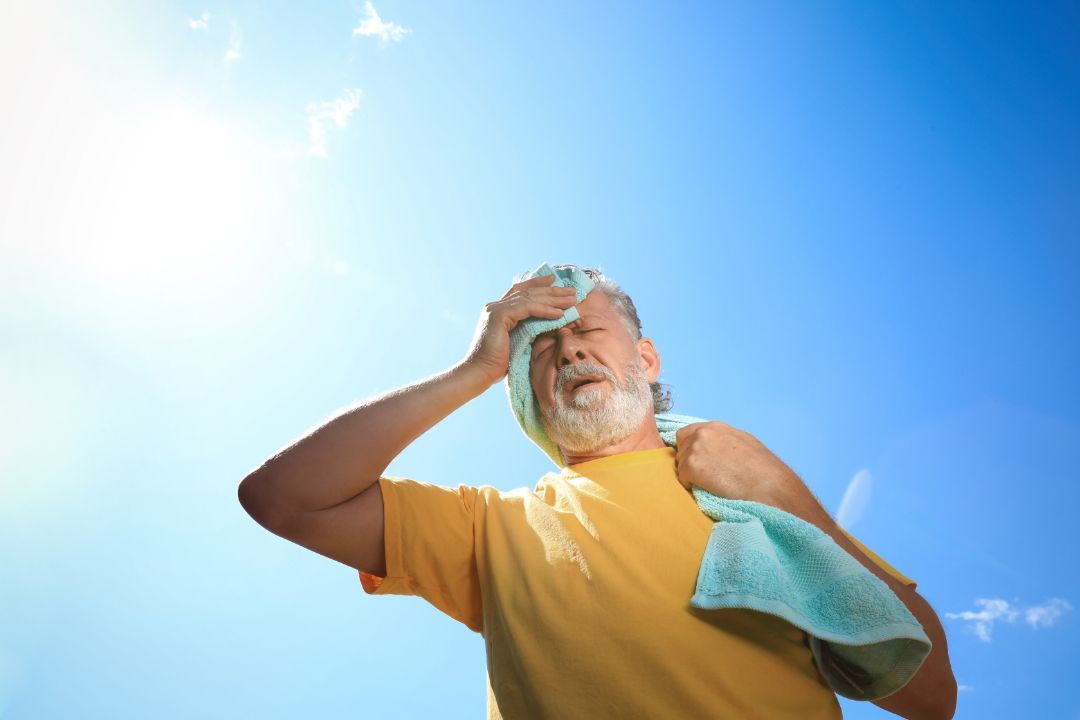
Heat-related illness happens when the body absorbs or produces more heat than it can release. Normally, sweating and increased blood flow to the skin help cool the body down. When that cooling system is overwhelmed — by high temperatures, humidity, exertion, dehydration, or a combination of all four — core body temperature starts to climb, and the body moves along a spectrum from mild heat cramps to heat exhaustion to heat stroke, the most severe and dangerous stage.
Common contributing factors include:
- Dehydration — not drinking enough fluids before or during heat exposure
- Physical exertion in hot conditions, especially without breaks
- Lack of acclimatization — the body hasn't had time to adjust to working or exercising in the heat
- Certain medications and health conditions that affect the body's ability to regulate temperature
- Alcohol and caffeine, which contribute to fluid loss
- Heavy or non-breathable clothing and protective equipment
Children, older adults, pregnant individuals, and people with chronic health conditions are at higher risk, but heat illness can affect anyone — including young, healthy adults doing strenuous work or exercise.
Why Is Heat Illness a Real Risk in Colorado?
It's a common misconception that heat illness is mainly a concern for hot, humid climates. Colorado's specific environment creates its own version of the risk:
- High elevation and thinner air mean the body works harder during physical exertion, and UV exposure is significantly stronger at altitude — sunburn and heat stress can both set in faster than people expect.
- Low humidity causes sweat to evaporate quickly, which can mask how much fluid a person is actually losing. Someone may not feel as “sweaty” or overheated as they truly are, delaying recognition of the problem.
- Large daily temperature swings, common along the Front Range, can catch people off guard — a cool morning can turn into a 90-degree afternoon on a construction site or trail.
- Wildfire season overlap, common in Colorado summers, adds smoke and reduced air quality on top of heat stress, which compounds the strain on the body, particularly for outdoor workers and athletes.
- Tourists and new residents unaccustomed to elevation are often at elevated risk because they haven't acclimatized to Colorado's combination of altitude, sun exposure, and dry air.
These factors mean that heat illness prevention in Colorado has to account for more than just the thermometer reading.
Recognizing the Stages of Heat Illness
What Are the Signs of Heat Exhaustion?
Heat exhaustion is the more common, less severe stage — but it should always be taken seriously and treated promptly. Signs include:
- Heavy sweating
- Cool, pale, or clammy skin
- Fatigue, weakness, or dizziness
- Headache
- Nausea or vomiting
- Muscle cramps
- Fast, weak pulse
What Are the Signs of Heat Stroke?
Heat stroke is a medical emergency. It develops when the body's temperature regulation fails completely. Signs include:
- Hot, red, dry or damp skin
- Body temperature above 103°F
- Confusion, agitation, slurred speech, or altered mental status
- Throbbing headache
- Rapid, strong pulse
- Loss of consciousness or seizures
The presence of confusion or altered mental status in a hot environment is the single most important warning sign. If someone is acting confused, disoriented, or “not themselves” after heat exposure, treat it as heat stroke and call 911 immediately — do not wait to see if it resolves on its own.
What to Do When Heat Illness Happens
Responding to Heat Exhaustion
- Move the person to a cooler or shaded area right away.
- Have them lie down and elevate their legs slightly, if there's no suspected injury.
- Loosen or remove excess clothing.
- Apply cool, wet cloths to the skin, or use a fan to help evaporative cooling.
- If the person is fully alert and able to swallow, offer small sips of cool water or a sports drink with electrolytes. Do not force fluids.
- Watch closely — if symptoms don't improve within about 30 minutes, or if they worsen, treat it as heat stroke and call 911.
Responding to Heat Stroke
Heat stroke requires immediate action while you wait for EMS to arrive:
- Call 911 immediately. This step comes first, before any cooling measures.
- Move the person to a cooler location if possible.
- Begin cooling the body as quickly as you can — cool or cold water applied to the skin, wet cloths, ice packs at the neck, armpits, and groin, and fanning the person are all effective methods according to current American Heart Association first aid guidance. Cold water immersion, where available and appropriate, is one of the fastest cooling methods.
- Remove excess clothing to help cooling.
- Monitor breathing and responsiveness continuously.
- Do not give fluids by mouth if the person is confused, vomiting, or losing consciousness — this creates a choking risk.
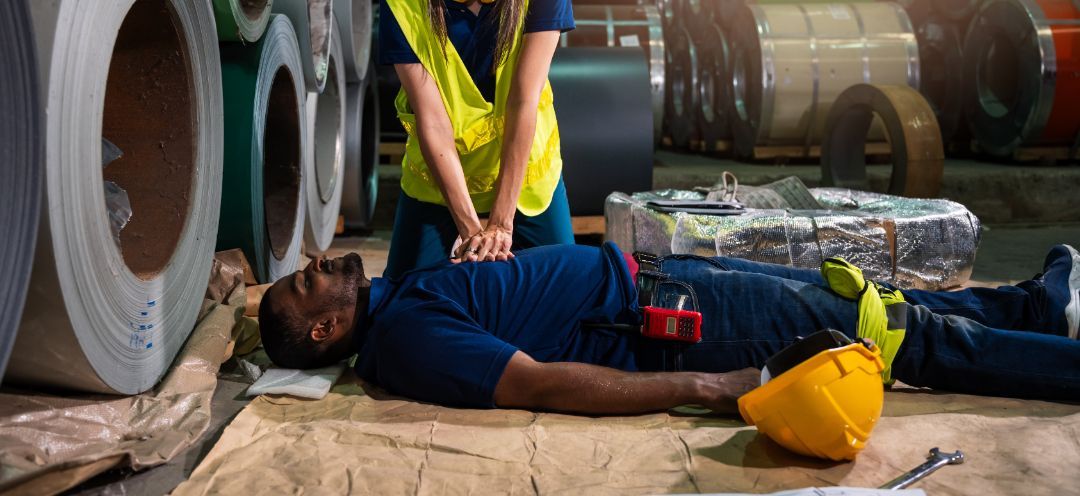
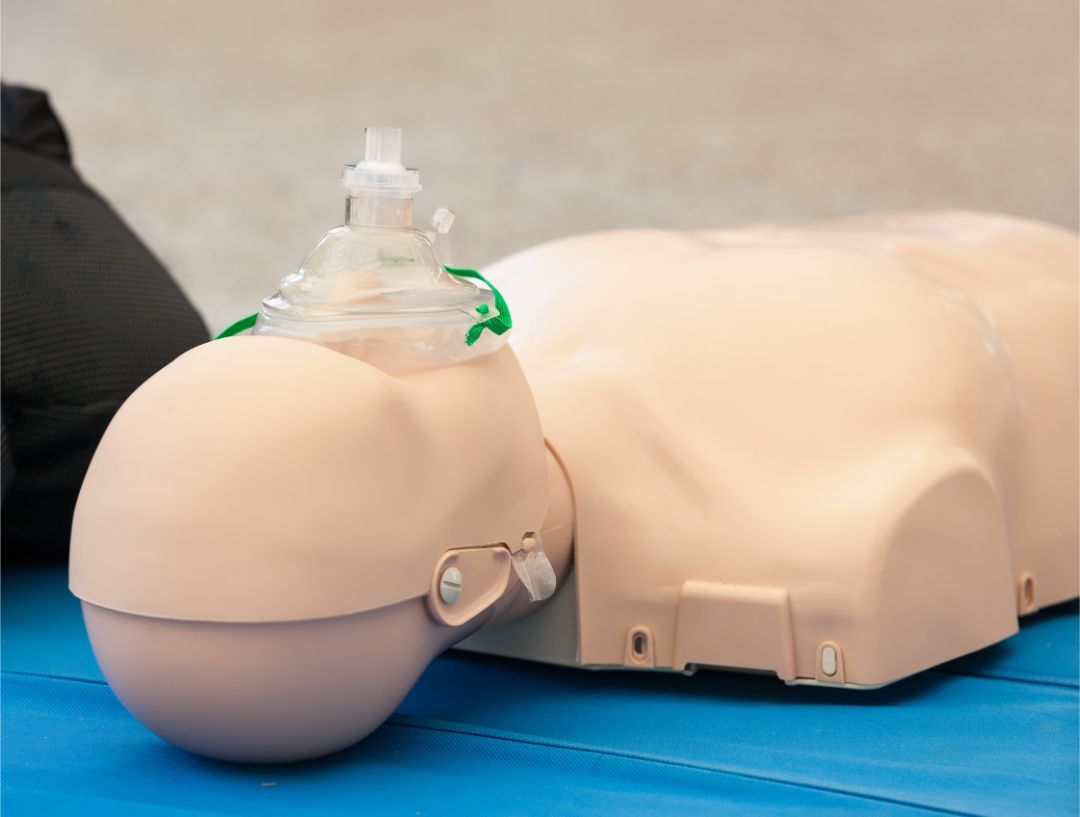
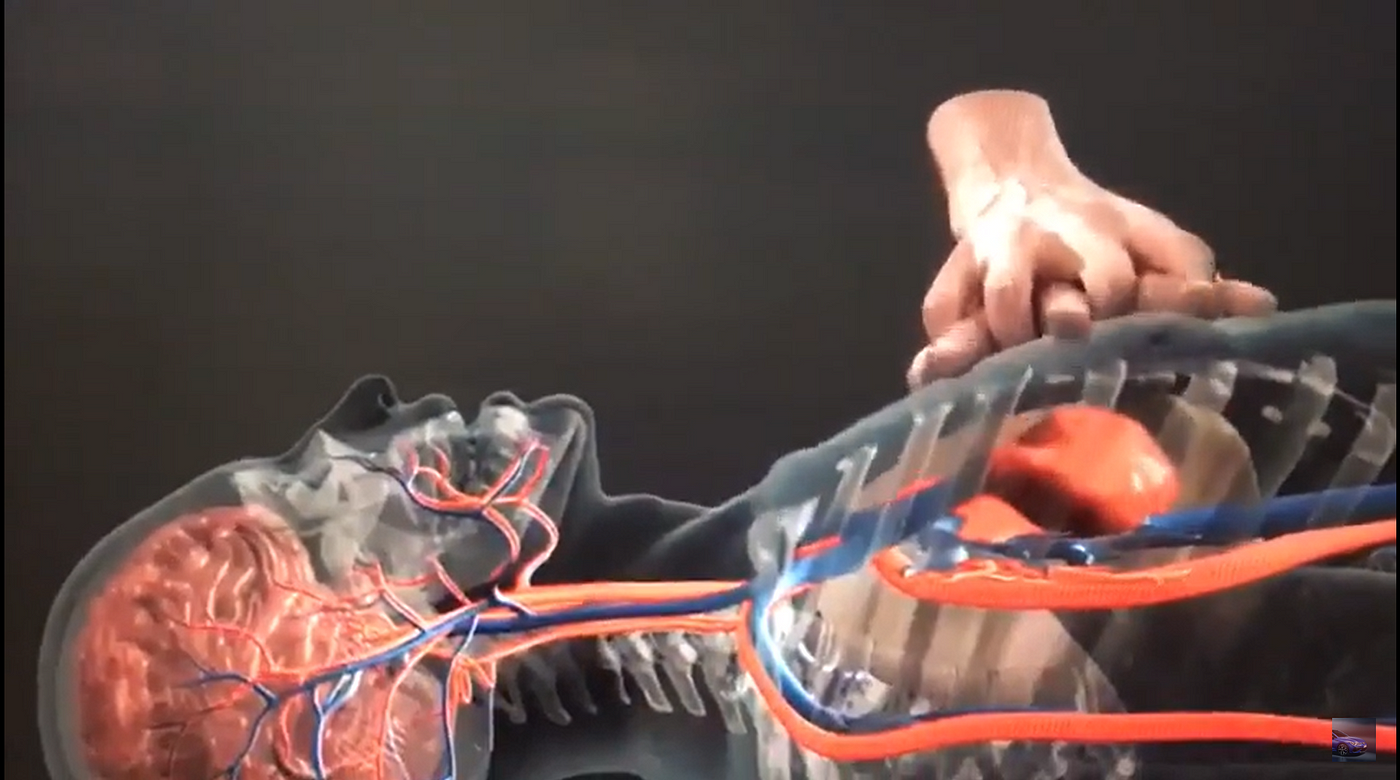
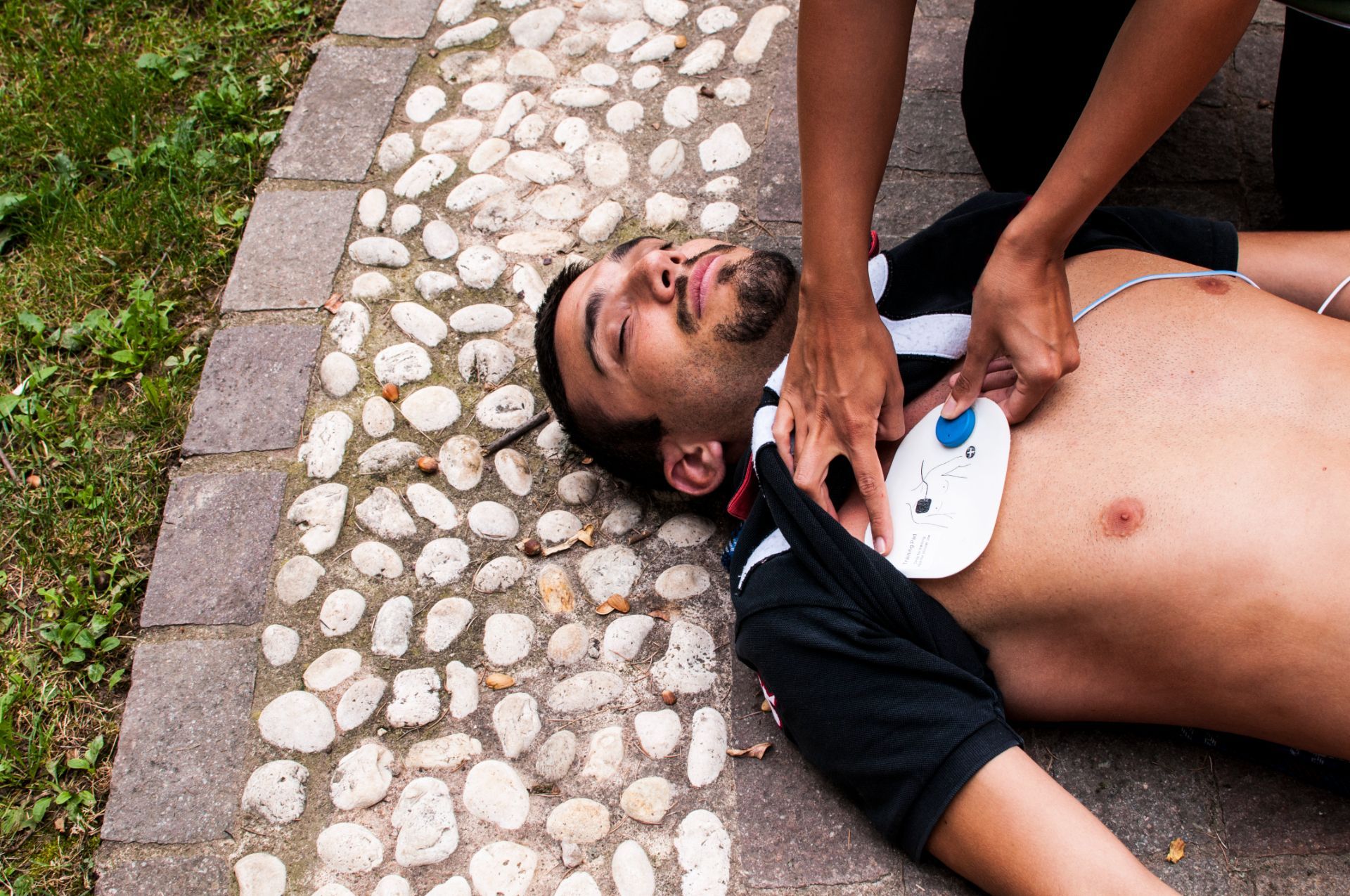
- If the person becomes unresponsive and is not breathing normally, begin CPR and use an AED if one is available, following the prompts.
Continue active cooling and monitoring until EMS personnel arrive and take over care. Staying with the person, keeping them as cool as possible, and giving EMS clear, accurate information about what happened all help set responders up for the best possible next steps once they're on scene.
Preventing Heat Illness at Home and Outdoors

- Drink water regularly throughout the day — don't wait until you're thirsty.
- Limit strenuous outdoor activity during peak heat and peak UV hours, generally late morning through mid-afternoon.
- Wear light-colored, loose, breathable clothing and a wide-brimmed hat.
- Build up tolerance gradually if you're new to Colorado's elevation or not used to exercising in heat.
- Never leave children or pets in a parked vehicle, even briefly — interior temperatures climb rapidly, even on mild days.
- Check on older neighbors, relatives, or anyone with chronic health conditions during heat advisories.
- Keep an eye on air quality during wildfire season, since smoke adds an additional layer of respiratory and cardiovascular strain during hot weather.
Preventing Heat Illness in the Workplace
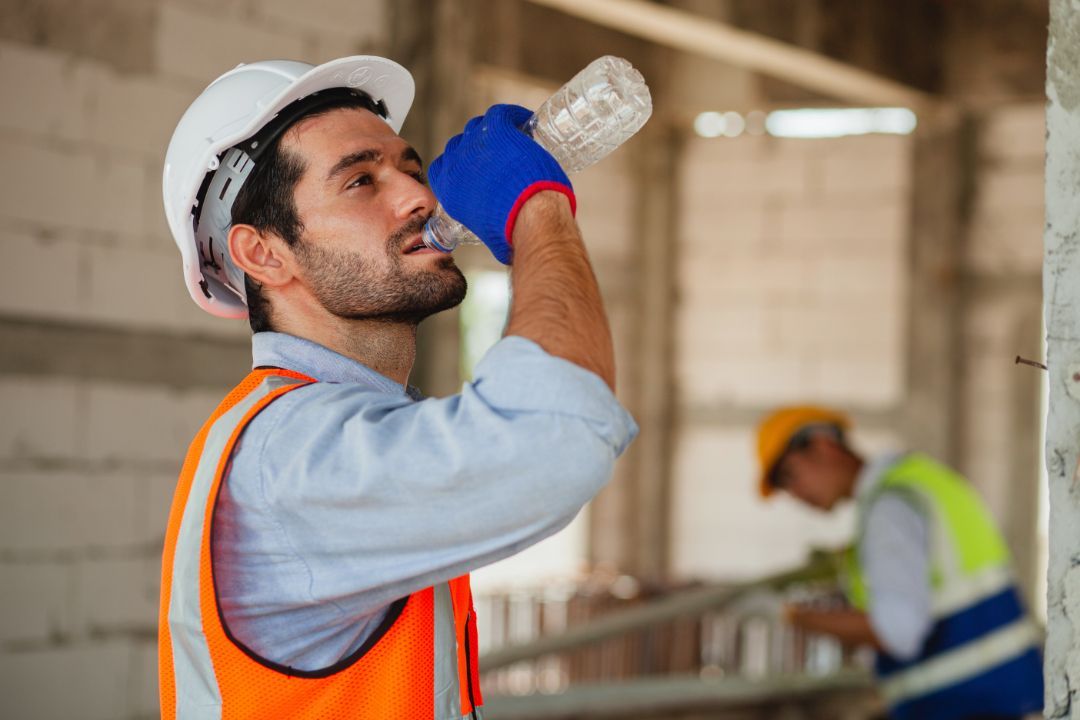
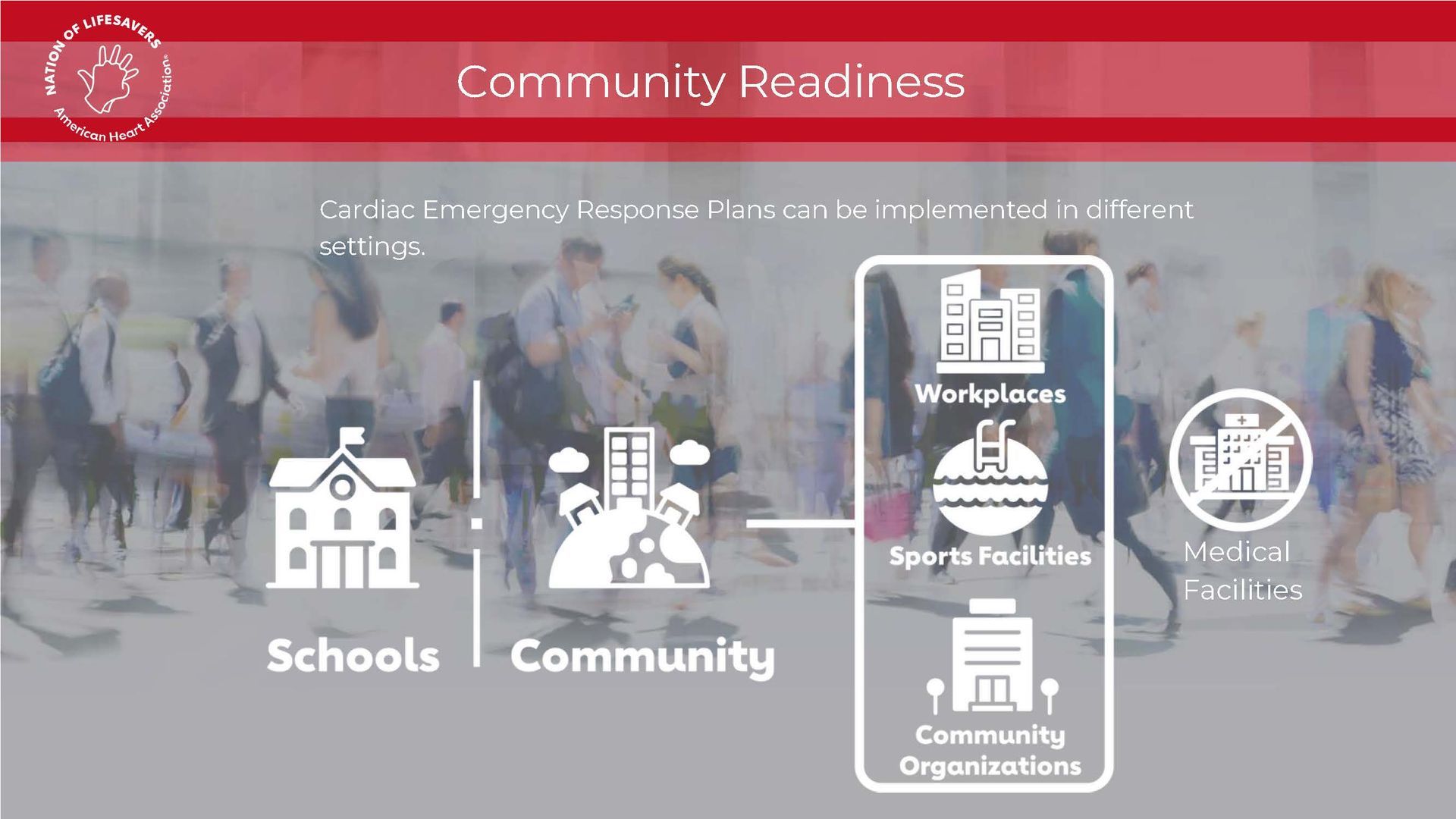
For employers — especially in construction, manufacturing, landscaping, oil and gas, and other outdoor or physically demanding industries — heat illness prevention is both a safety priority and, increasingly, a compliance issue.
Colorado has been expanding state-level heat exposure protections for workers, and OSHA continues to enforce heat-related hazards under the General Duty Clause of the OSH Act even without a finalized federal heat standard. Requirements and guidance in this area are evolving, so employers should confirm current obligations with legal counsel or a qualified safety consultant rather than relying on general content like this article.
Practical prevention steps that apply broadly:
- Provide accessible drinking water and encourage regular hydration breaks
- Build in rest breaks in shaded or cooled areas during high-heat periods
- Allow new or returning workers time to acclimatize to heat and physical demands
- Train supervisors and crew members to recognize the early signs of heat illness in themselves and coworkers
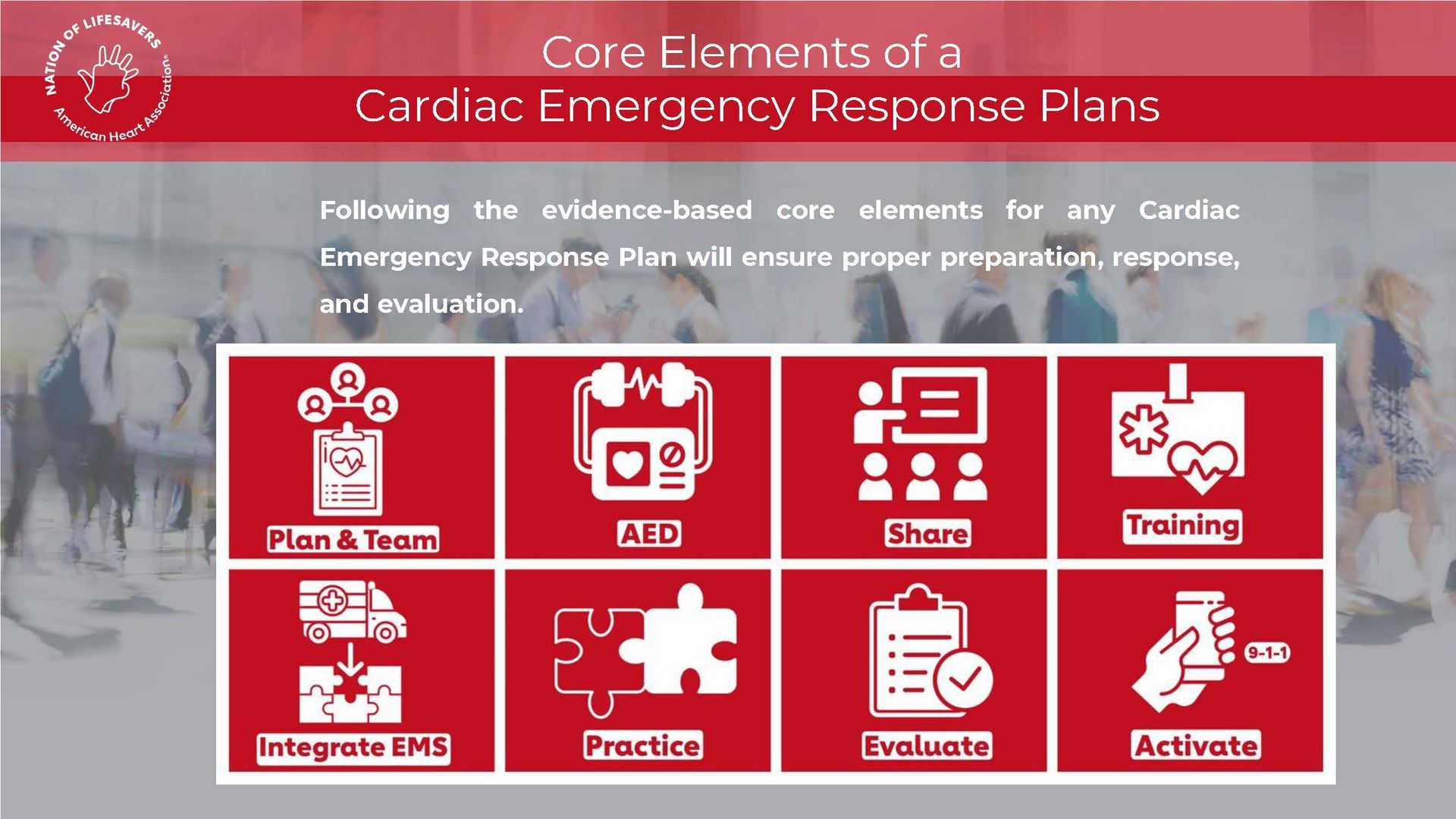
- Establish a clear emergency response plan, including who calls 911 and who begins first aid
- Adjust scheduling for the most physically demanding tasks to cooler parts of the day when possible
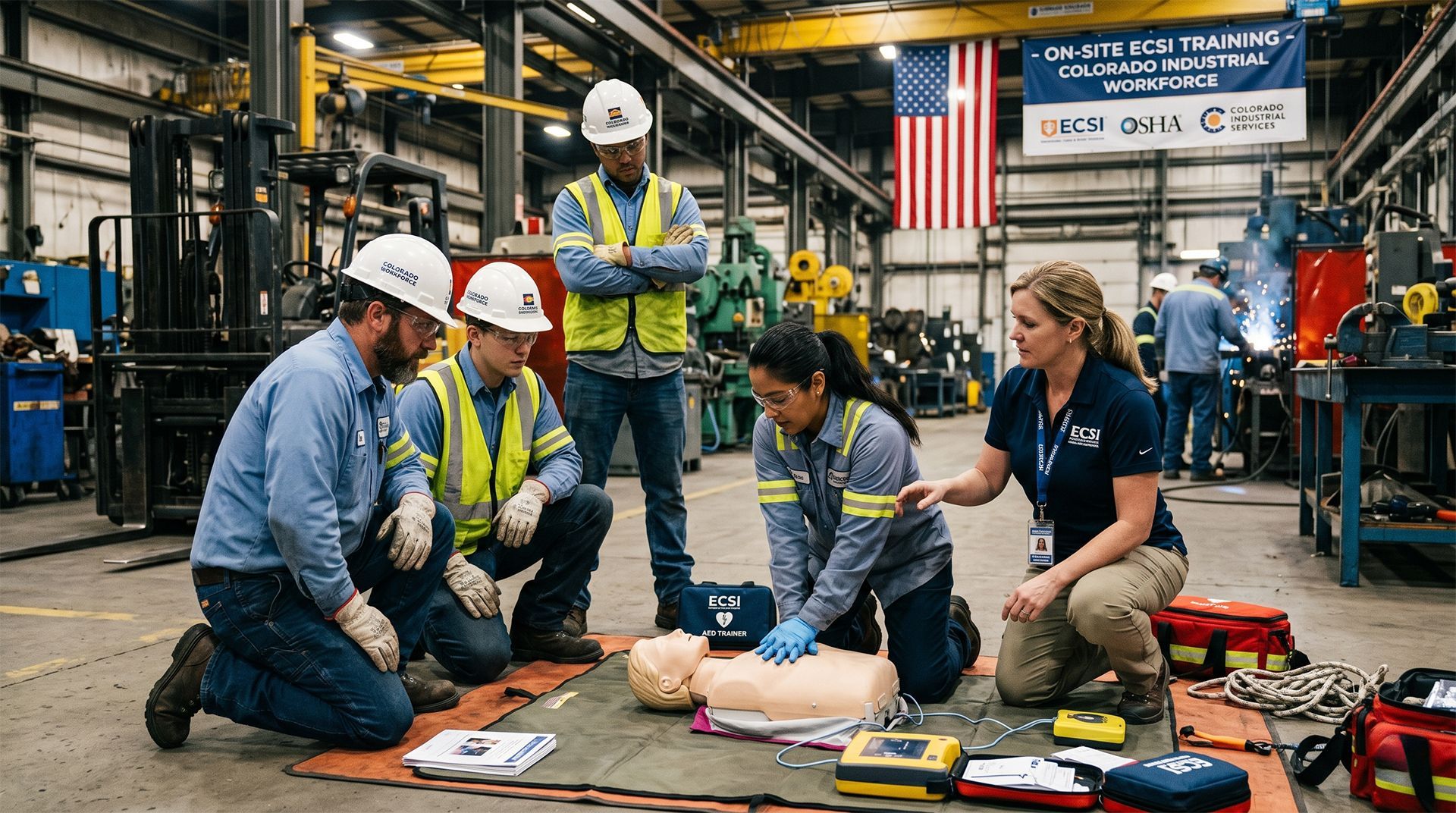
Trained employees are often the first line of response in a workplace heat emergency, which is why
hands-on CPR and First Aid training — including recognizing and responding to heat-related illness — is a valuable investment for teams working in Colorado's outdoor and industrial environments.
Frequently Asked Questions about Heat Illness
Q: What's the difference between heat exhaustion and heat stroke?
Heat exhaustion involves heavy sweating, weakness, and cool or clammy skin, and it generally responds well to rest, fluids, and cooling. Heat stroke is more severe and involves confusion or altered mental status, often with hot, dry or damp skin and a very high body temperature. Heat stroke is a medical emergency that requires calling 911 immediately.
Q: Can heat illness happen in Colorado even when it's not extremely hot outside?
Yes. Colorado's high elevation, intense UV exposure, and low humidity mean the body can lose fluids and overheat faster than people expect, even at temperatures that wouldn't be considered extreme in other parts of the country.
Q: Should I give someone water if I think they have heat stroke?
Only offer fluids if the person is fully alert and able to swallow safely. If they're confused, vomiting, or losing consciousness, do not give anything by mouth — focus on cooling the person and calling 911.
Q: Does Colorado have workplace heat safety requirements?
Colorado has been expanding heat exposure protections for workers, including new requirements taking effect in 2026. Because this area is actively changing, employers should confirm current requirements with legal counsel or a safety compliance professional rather than relying on general educational content.
Q: How can my team learn to respond to heat emergencies confidently?
Hands-on CPR and First Aid training builds the confidence and muscle memory to recognize heat illness early and respond correctly under pressure — for individuals, families, and workplace teams alike.
Ready to Build Your Team's Emergency Response Skills?
Heat-related illness is one of many emergencies where knowing what to do — and doing it quickly — makes a real difference in how a situation unfolds before EMS arrives. Rapid Rescue CPR & Safety Training Solutions offers on-site CPR, AED, and First Aid training for businesses and individuals across the Denver metro area and Front Range, as an AHA Authorized Training Site and authorized ECSI Education Center.
Ready to schedule on-site training for your team, or get certified yourself? Contact Rapid Rescue CPR & Safety Training Solutions at
info@rapidrescuetraining.com or
use our inquiry form.